Most players don't have a shooting problem. They have a consistency problem — and nobody has ever measured it. The Consistent Shooter System finds exactly what's breaking down in your shot, then rebuilds it piece by piece.
100 shots. Real numbers. No cost, no commitment.

Swipe to see them all →

Programs whose players have trained in the Consistent Shooter System.
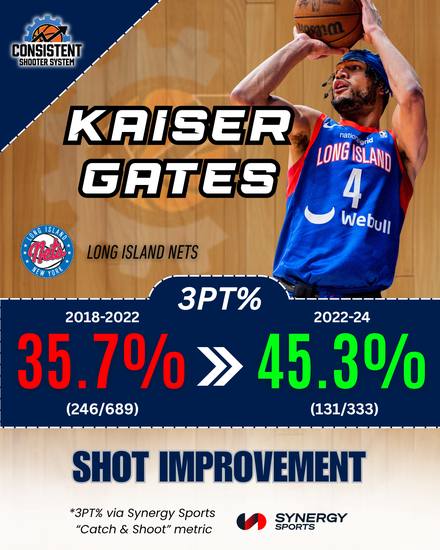
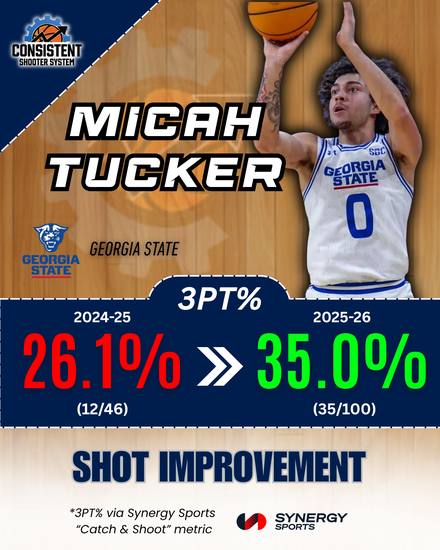
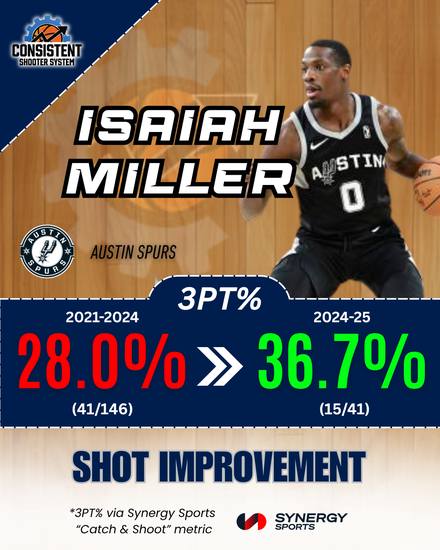
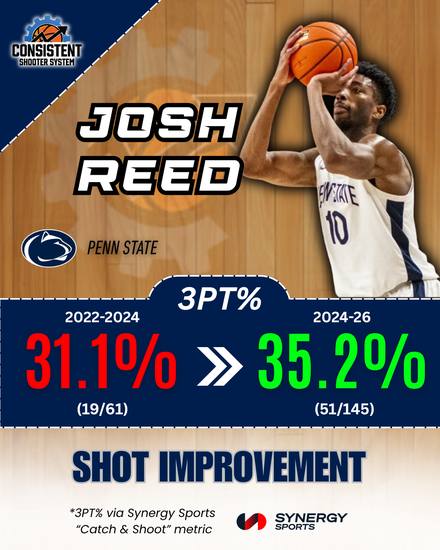
Fourteen players have full before-and-after game data pulled from Synergy Sports. All fourteen improved — median gain +8.8 points. Every one is listed below.
Anybody can improve a shot in an empty gym. These are catch-and-shoot three point percentages from live game film — before the system, and after it.
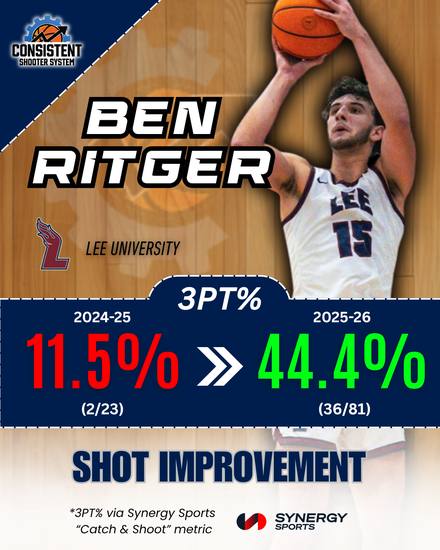
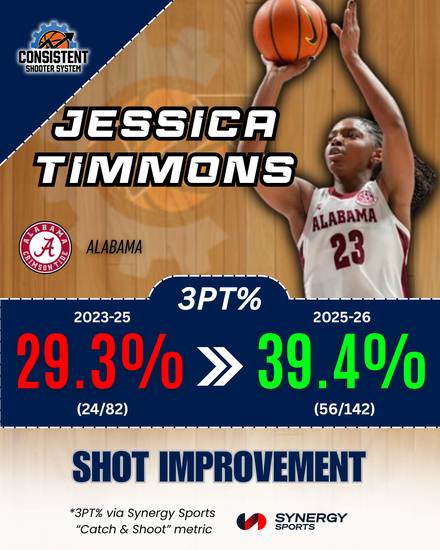
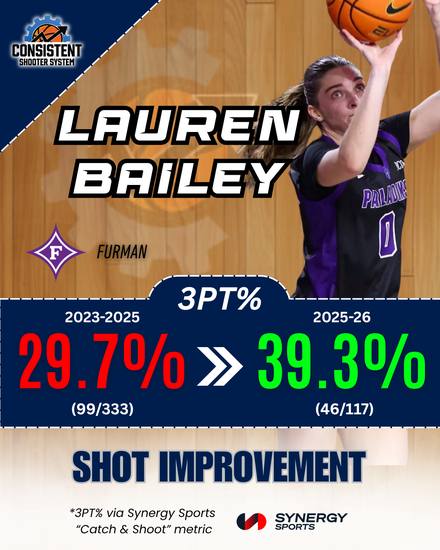
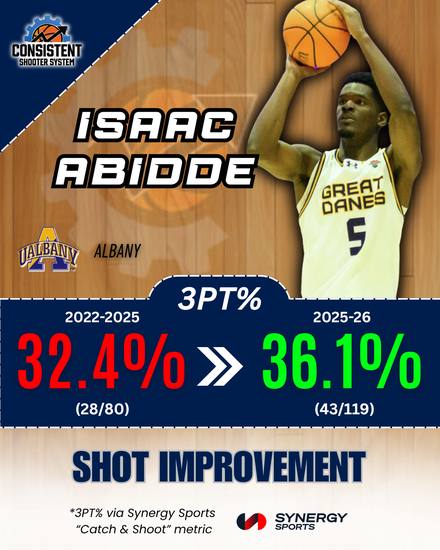
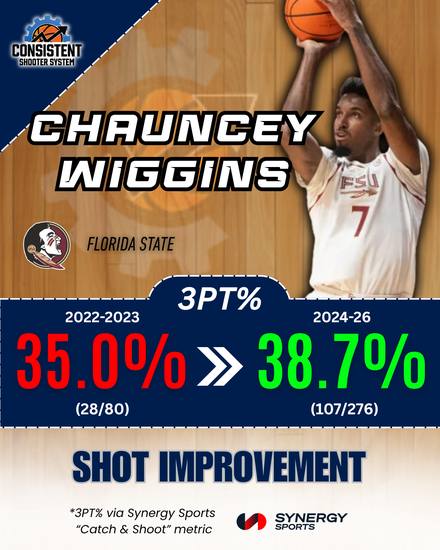
Swipe for more players →
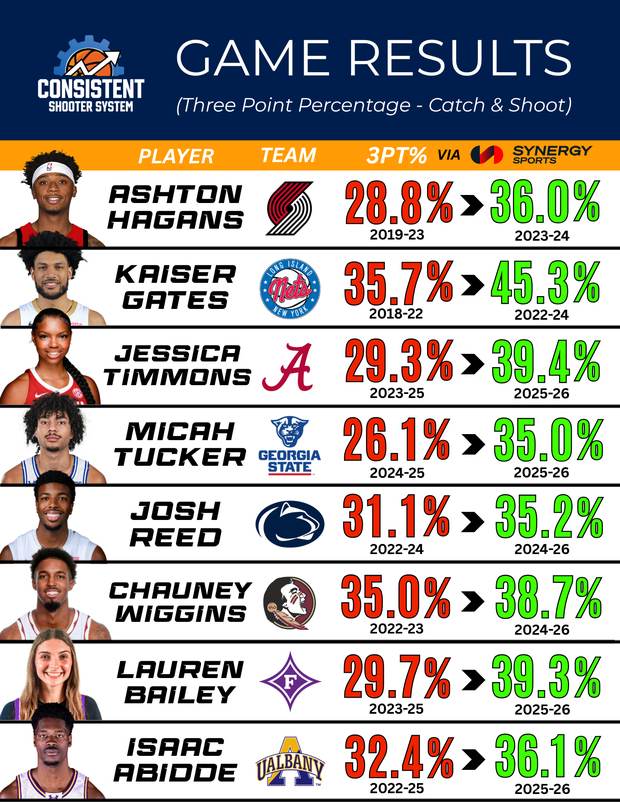
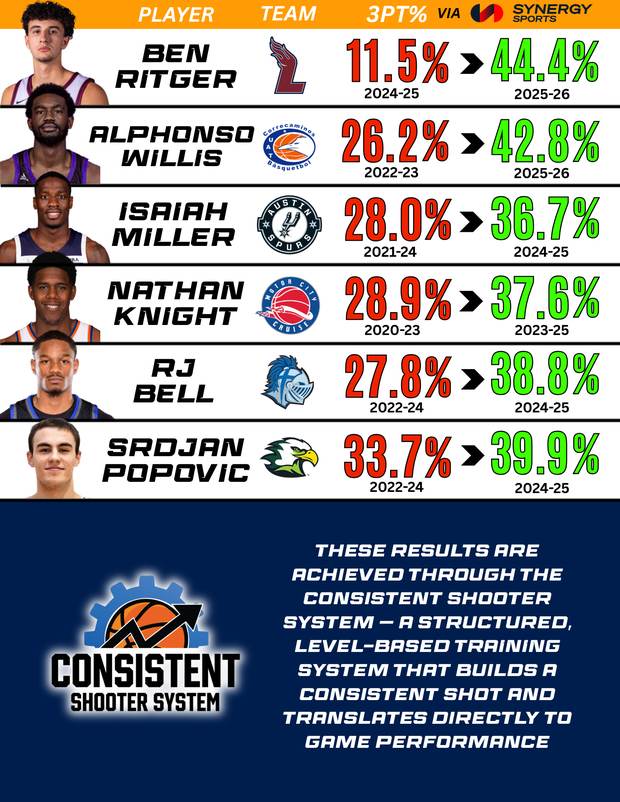
You're hot one night and gone the next. You've put in hundreds of hours and your percentage hasn't moved. Every coach who's ever watched you shoot has told you something different — elbow in, follow through, get your legs into it — and none of it stuck.
That's not a work ethic problem. That's what happens when you're handed tips instead of a structured, proven system.
Maybe you are. But you've never actually checked — you know your game percentage and nothing else. The 100 Shot Test puts a number on exactly how consistent your shot is right now. Numbers don't lie, and "it felt off" was never data.
Every rep of a shot that's built wrong makes it more automatic. You're not getting better — you're getting better at the wrong thing. The mechanics have to be fixed first; then the reps make that permanent.
Short, left, flat — you see the result but never the cause, so all you can do is shoot again and hope. Once you know what causes each miss and what it feels like, you stop guessing and fix it on the very next shot.

It's a system of shooting drills you can do right at home that make your shot more consistent. Instead of a coach watching you shoot and telling you what they think, your shot gets tested, rated against five specific things, and then rebuilt one piece at a time.
The system is a series of drills. Each drill is its own level, and you have to pass it before the next one opens. There are eleven. Pass all eleven and you will be a better shooter — that's the whole thing.
You do every level in your own gym, on your own time. Each one comes with instructional video so you know exactly what you're working on, and I'm in the app with you the whole way, helping you pass each level. You film yourself doing the level and upload it. Pass, and I move you to the next one. Don't pass, and I send back the feedback you need to pass it the next time you shoot.
It doesn't matter if you're a sophomore trying to make varsity or a pro trying to stay on a roster. This is where any player makes real improvement in their shot — the kind you can see and feel.
The one you already have.
Any gym, any driveway, anywhere in the country.
To film your reps. That's the entire equipment list.
Finish it and three things are true: you'll trust your shot, your 100 Shot Test score will be higher, and you'll carry mechanics that give every shot for the rest of your career a better chance of going in.
Fair. So don't take my word for it. Here's a player who did the whole thing remotely — and the people running it, in their own words.
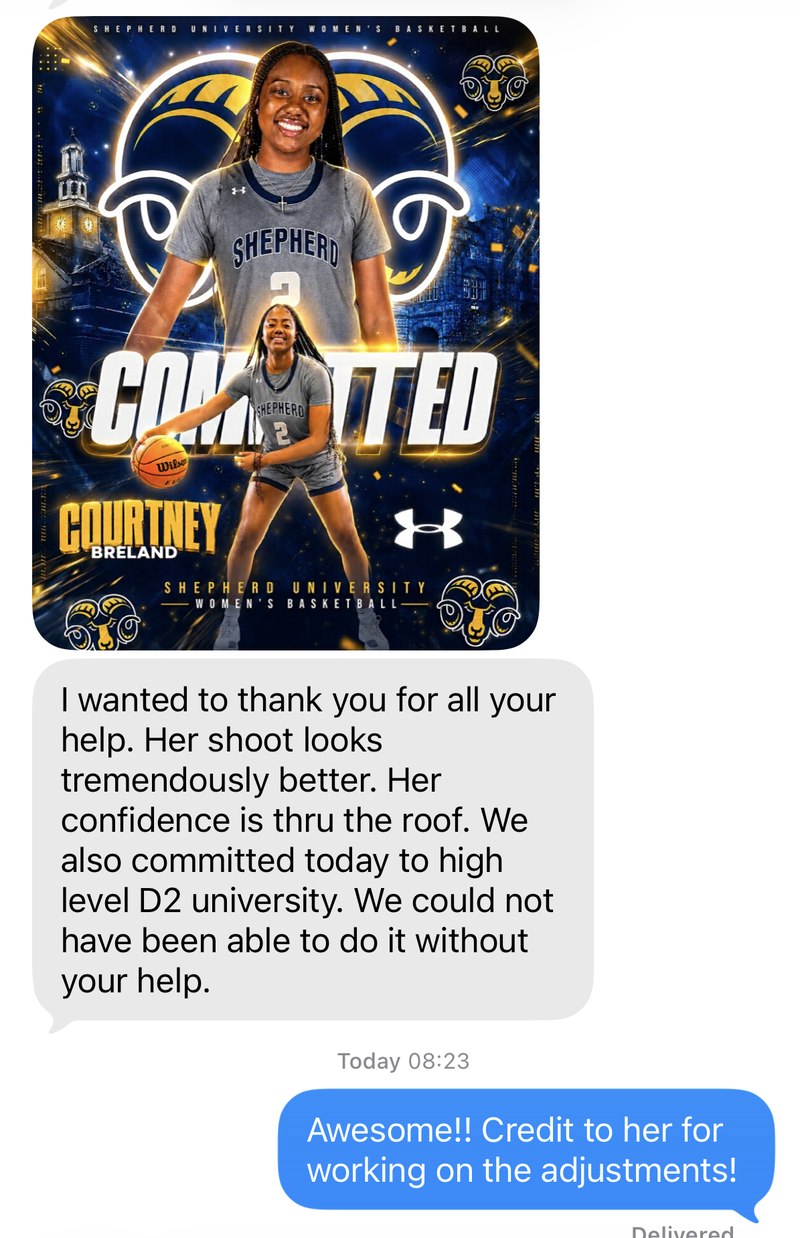
Courtney did the entire Consistent Shooter System remotely. Every level was filmed in her own gym, uploaded to the app, and reviewed by me. We have never been in the same gym, not once.
She tested at 53 out of 100 on her Shot Evaluation — her actual report is further down this page. Her dad had already texted me when she picked up her first D2 offer. This came in the morning she committed.
“Her shot looks tremendously better. Her confidence is thru the roof. We also committed today to a high level D2 university. We could not have been able to do it without your help.”
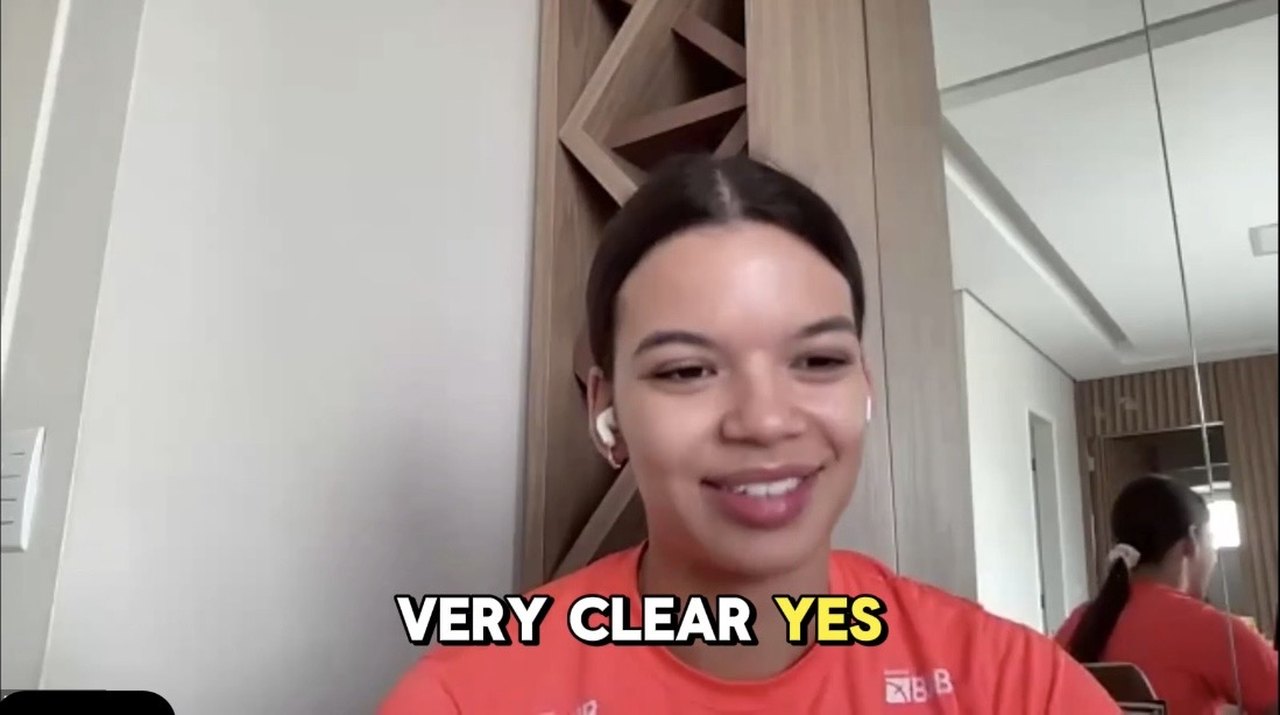
25 seconds · virtual clients, in their own words
Every shot gets rated against five things. Miss on any one and the shot becomes a coin flip. Your evaluation tells you which one is costing you the most makes.
Where your power actually comes from. Most players are wrong about this one.
How your body flows through the shot — whether your arms and legs are actually in sync.
Putting the same force from your body into the ball, every single time.
The foundation the whole shot is built on. Small flaw here, big miss there.
The last thing that touches the ball, and the hardest to see.
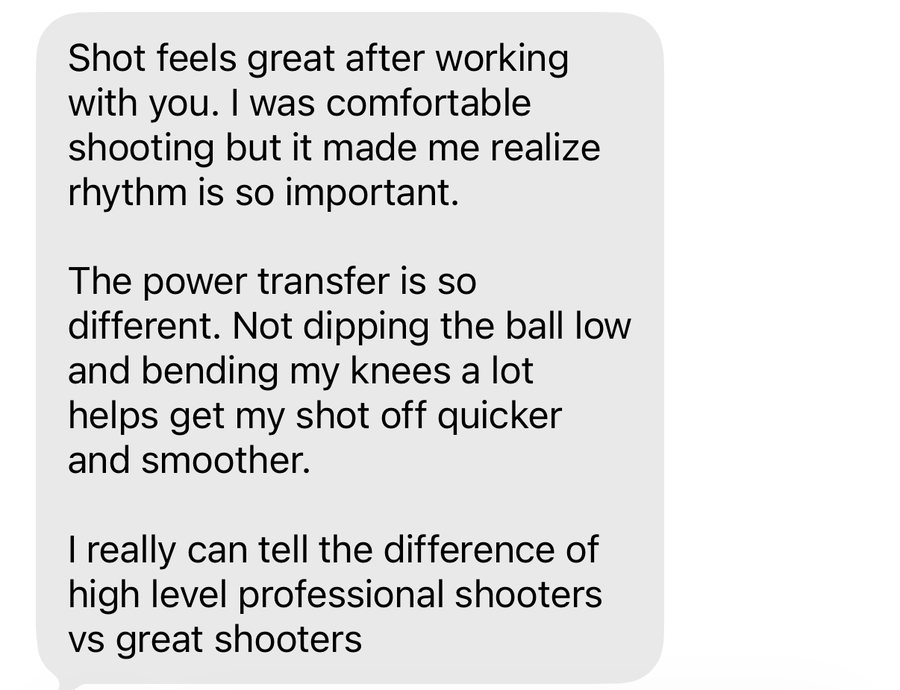
This one wasn't a thank-you note. He was describing what he'd just learned about his own shot — a player who was already comfortable shooting.
“I was comfortable shooting, but it made me realize rhythm is so important. The power transfer is so different…”
No guessing about what happens next. This is the whole process, start to finish — and every one of these I stand behind.
Download the app and shoot the 100 Shot Test. Ten minutes in any gym. You get a real number on how consistent your shot is right now — free, no card, no commitment.
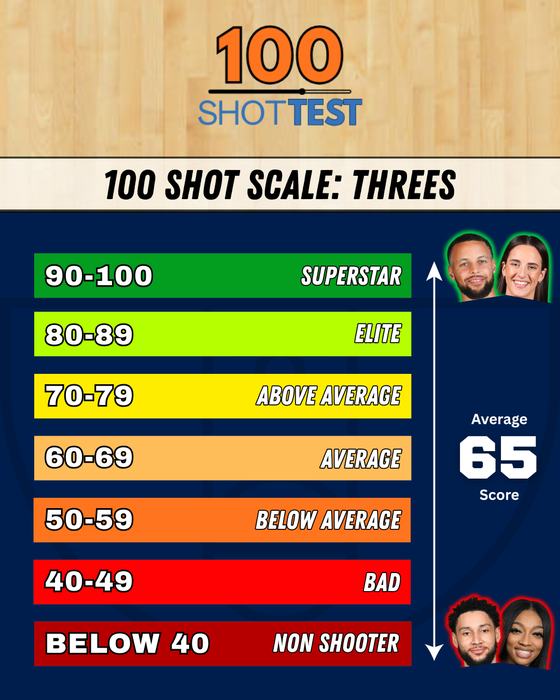
Average across everyone who takes it is 65.
Enroll and your test becomes a complete evaluation: makes vs. quality makes, misses vs. bad misses, a rim map of exactly where the ball is going, release time, arc, left-right deviation — and all five pillars rated with the specific reason behind each one.
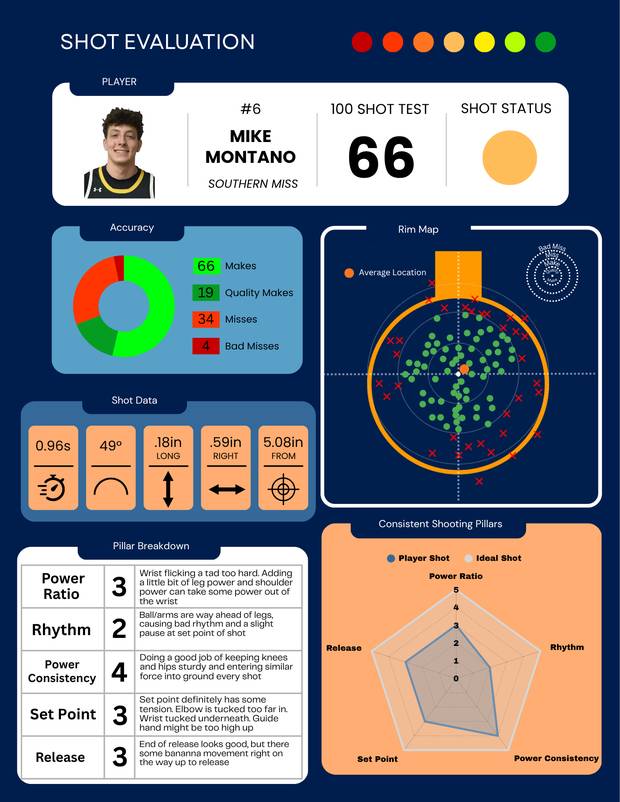
Mike Montano, Southern Miss
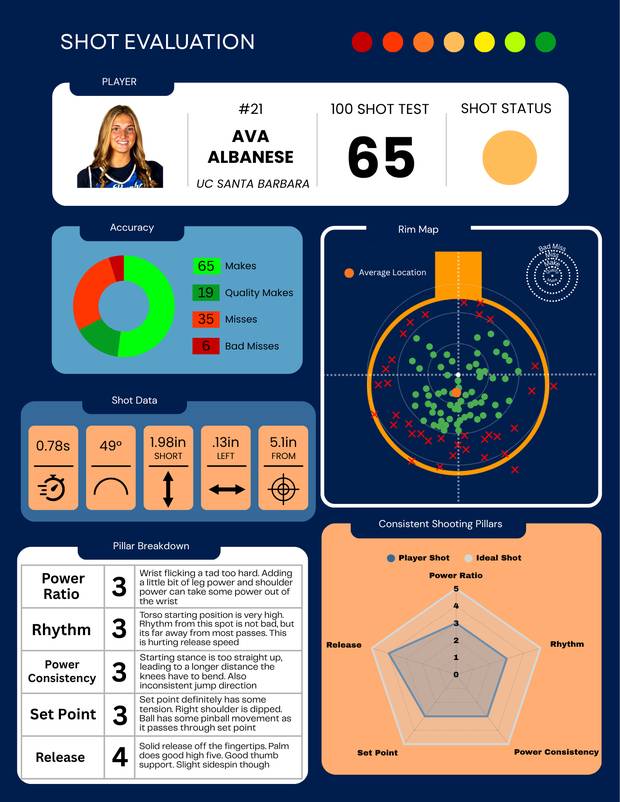
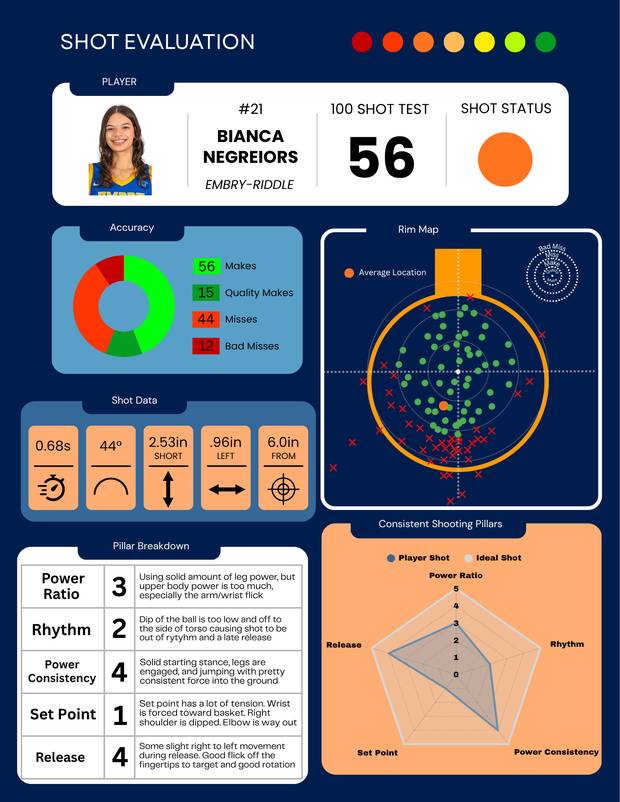
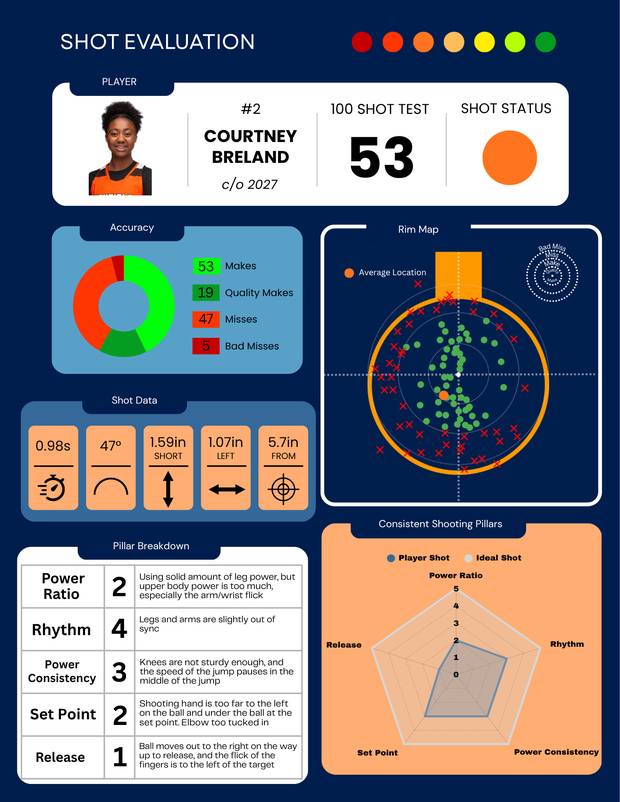
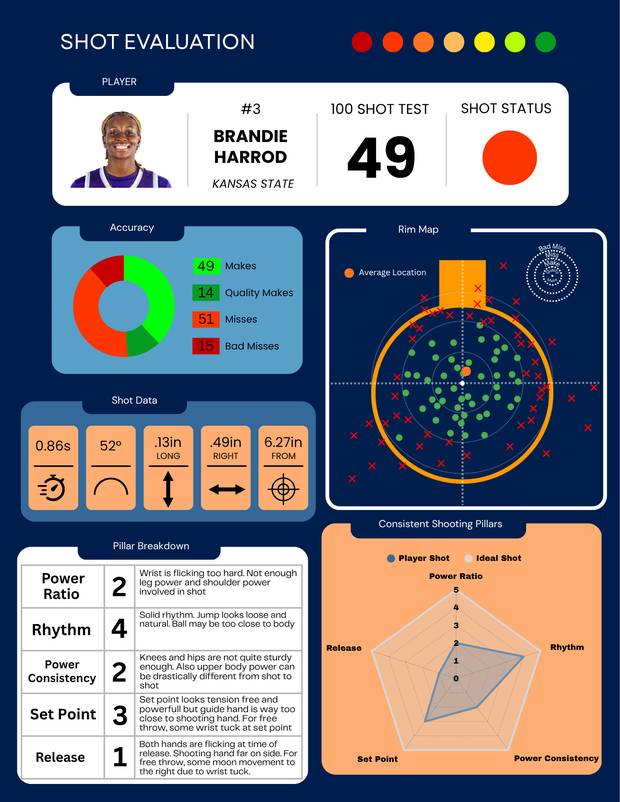
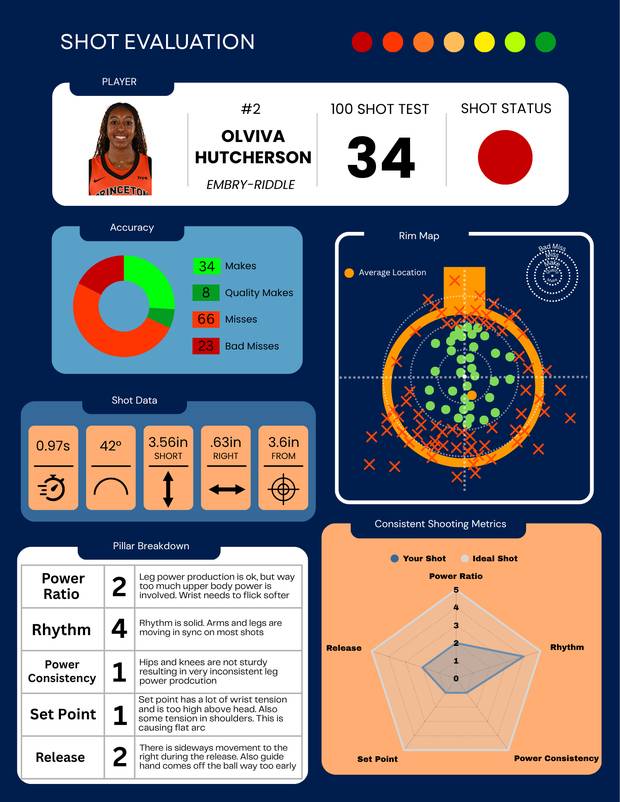
Real evaluations, high school through D1 →
We get on video together and go through your evaluation and your film line by line, including the set point assessment. You leave knowing the exact adjustments standing between you and your potential — and which level you start on.
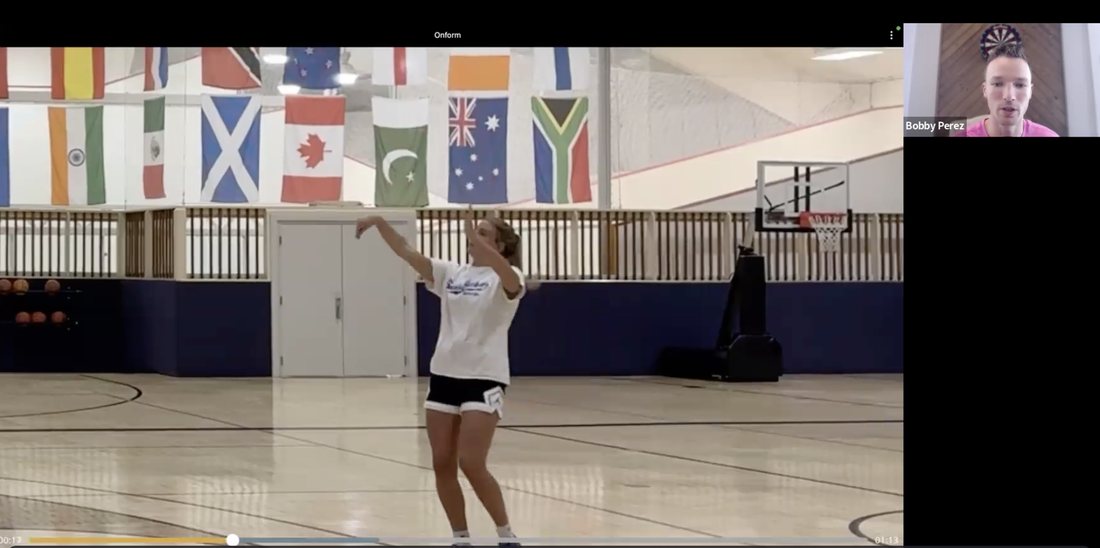
Your shot, analyzed frame by frame.
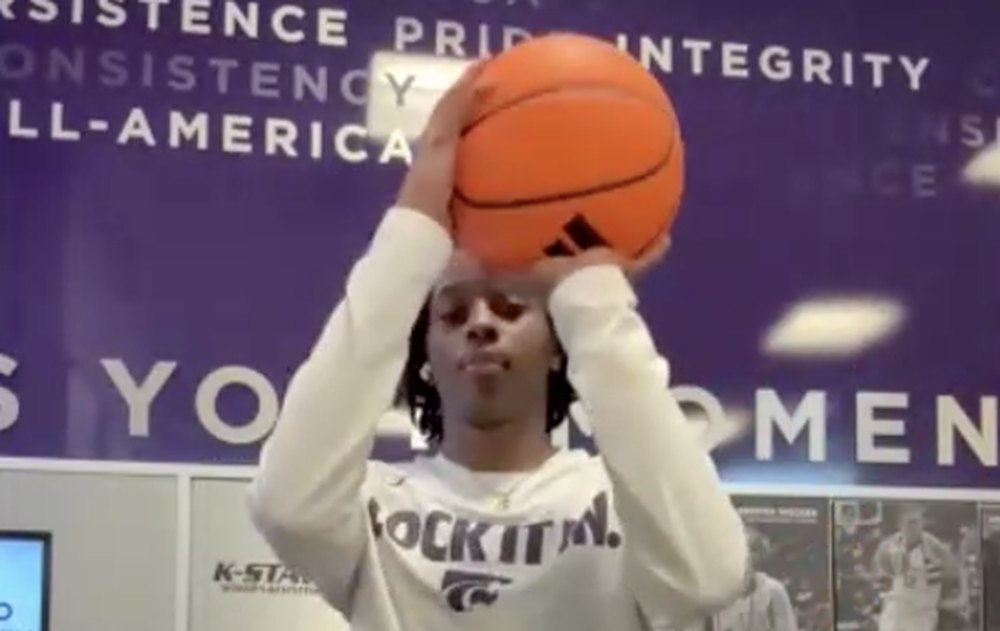
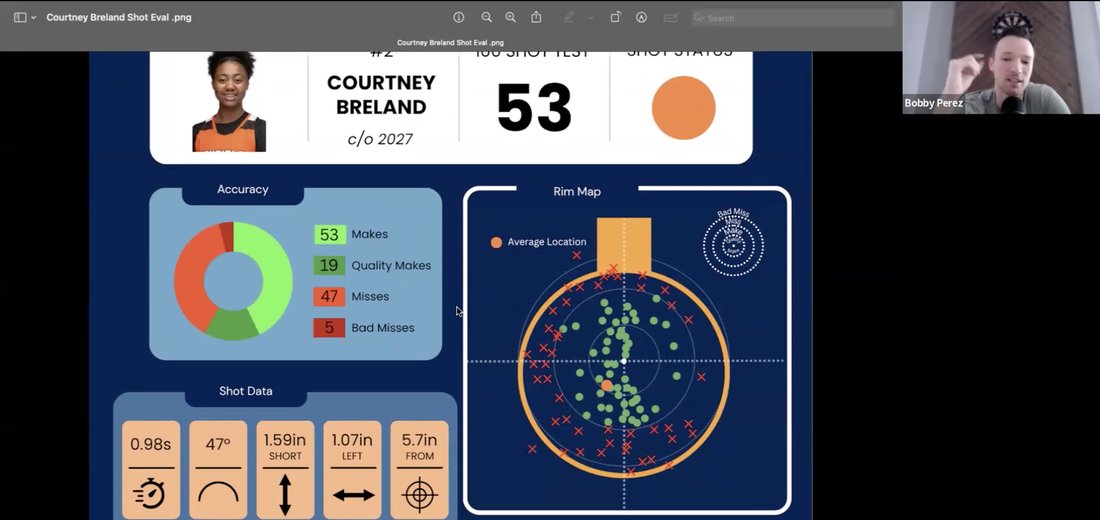
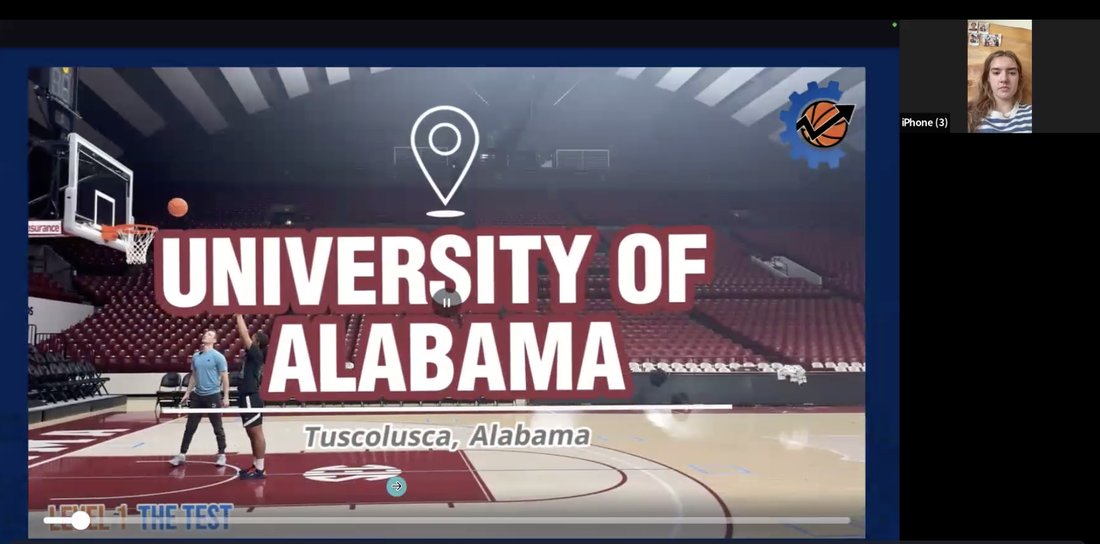
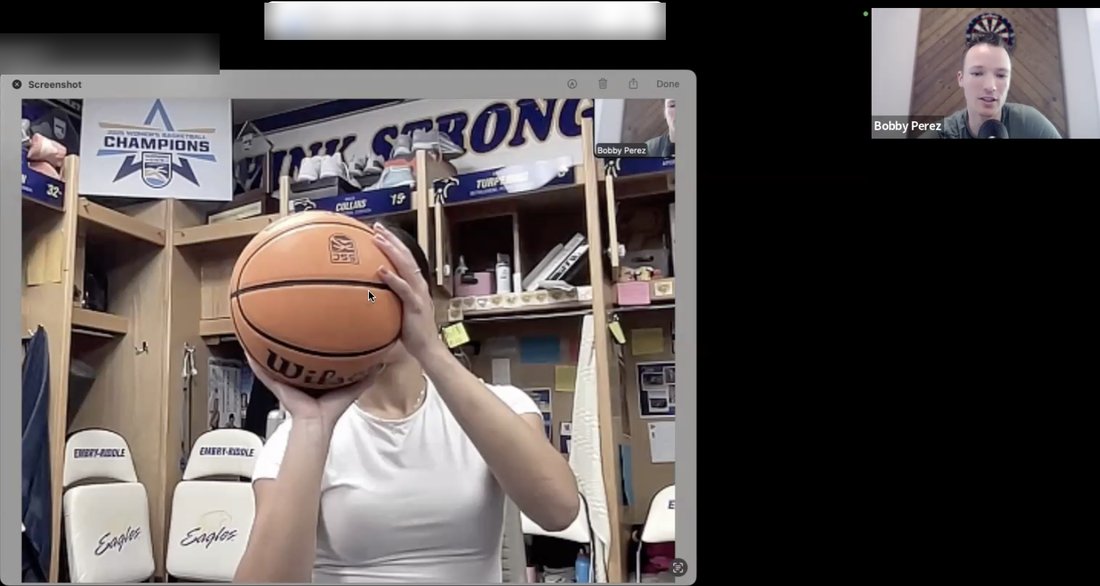
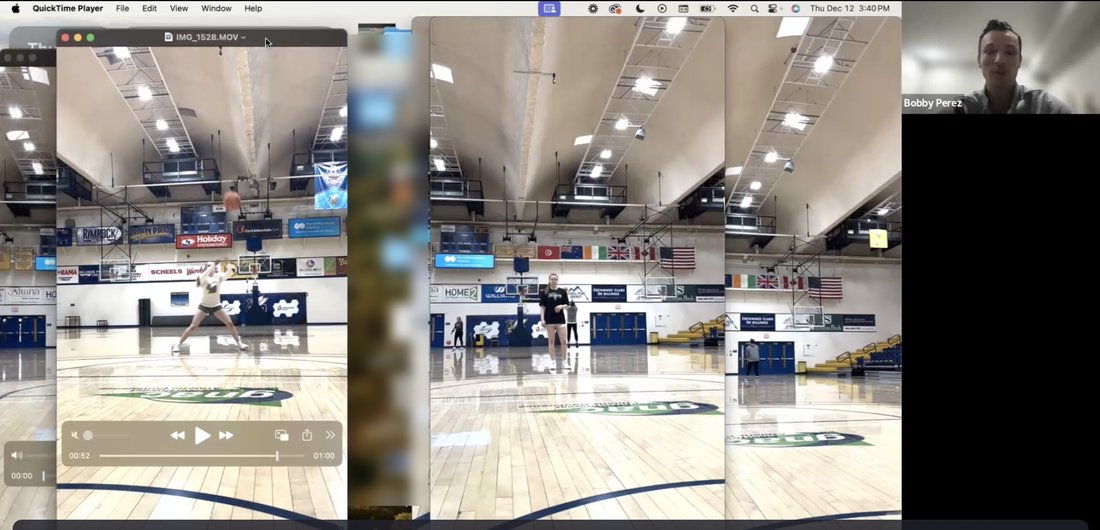
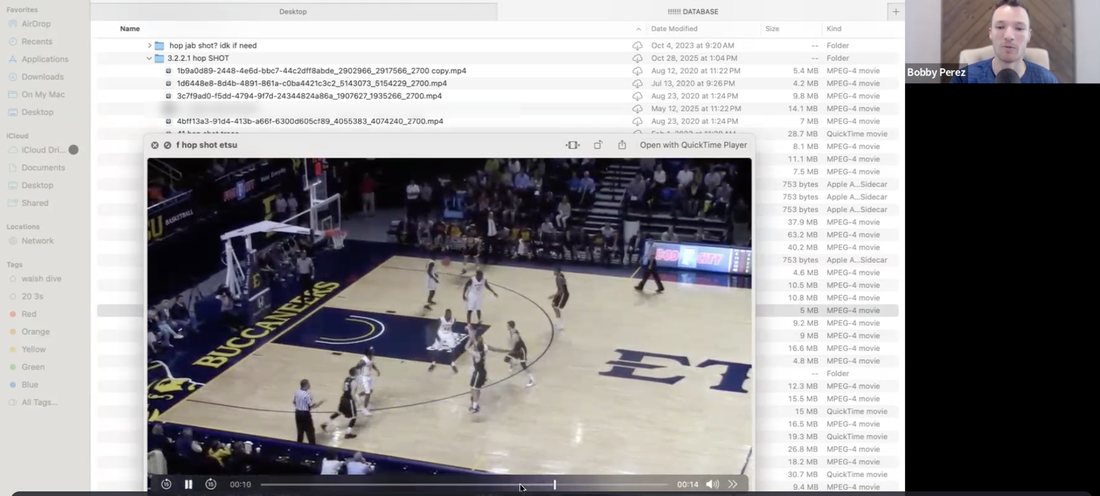
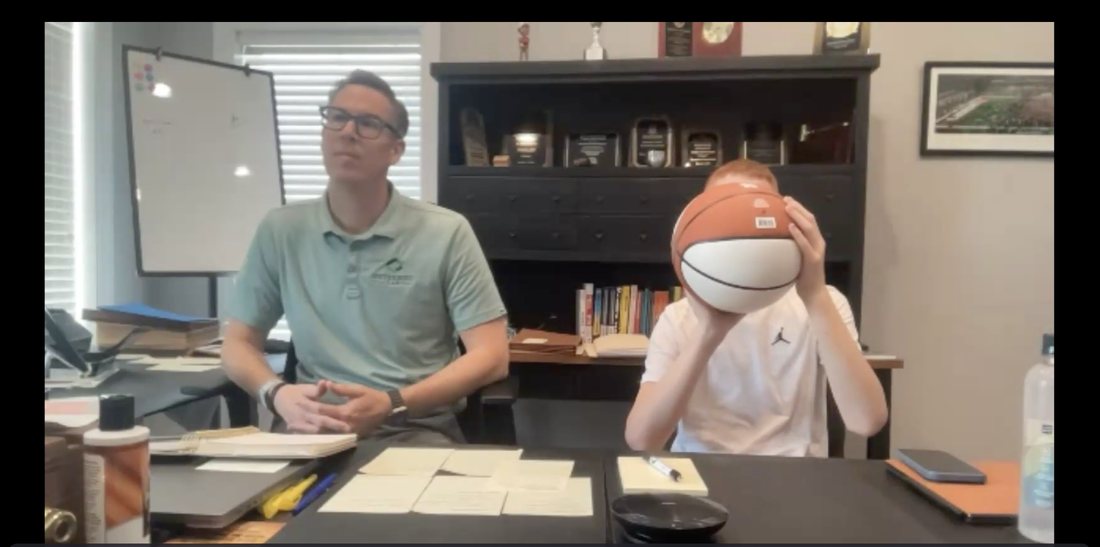
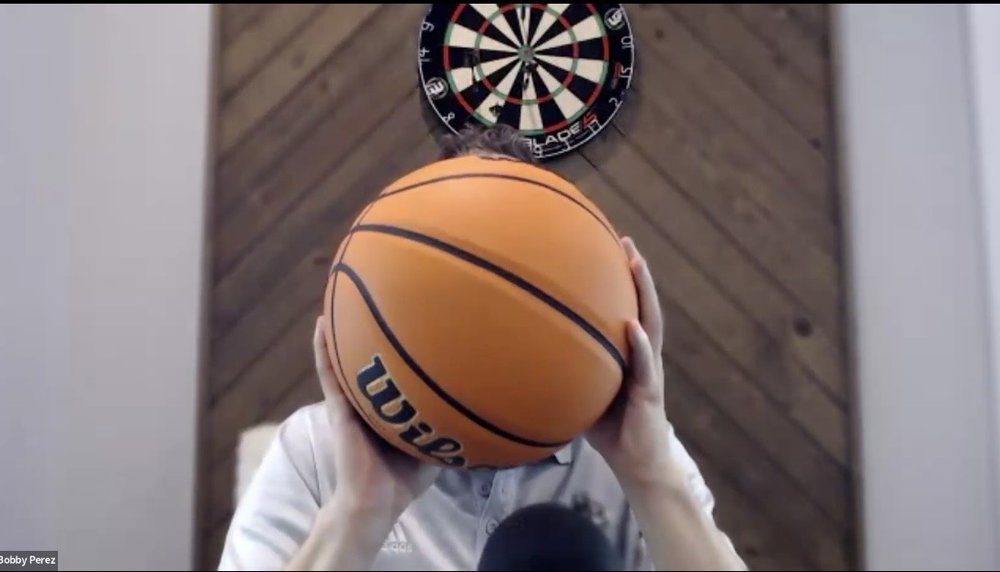
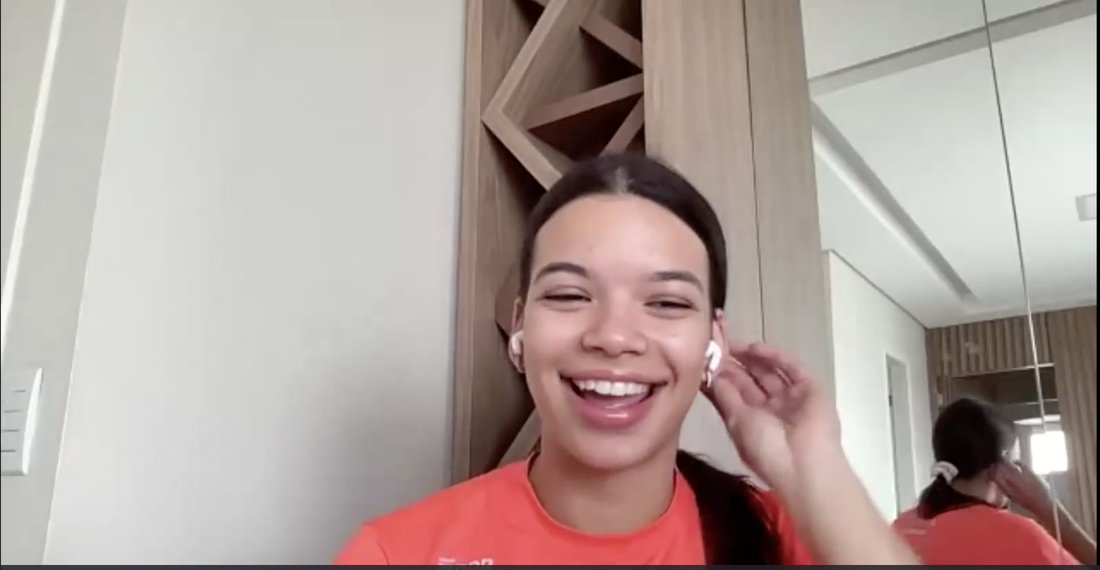
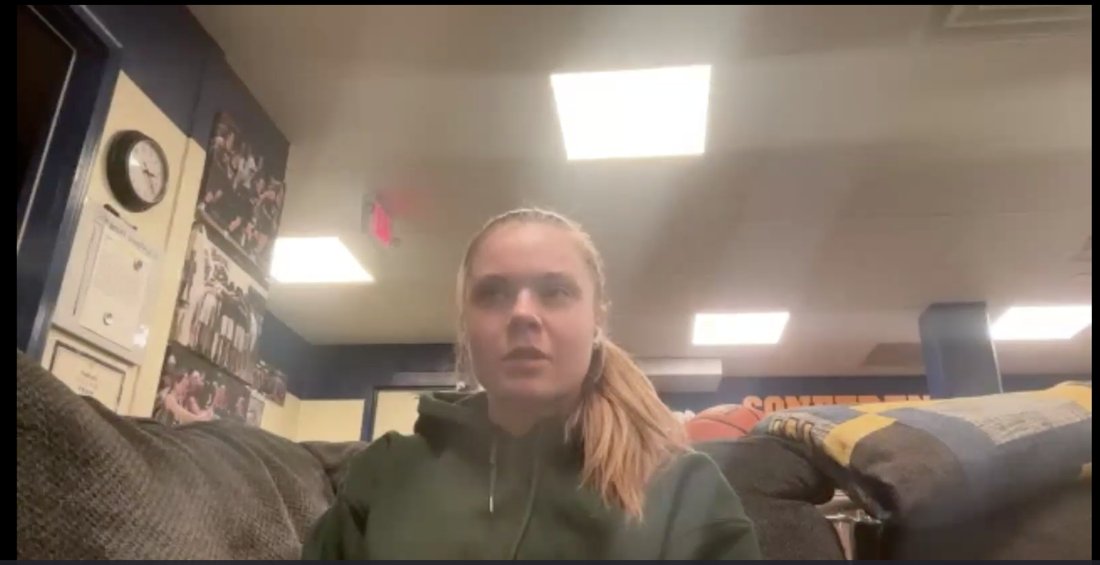
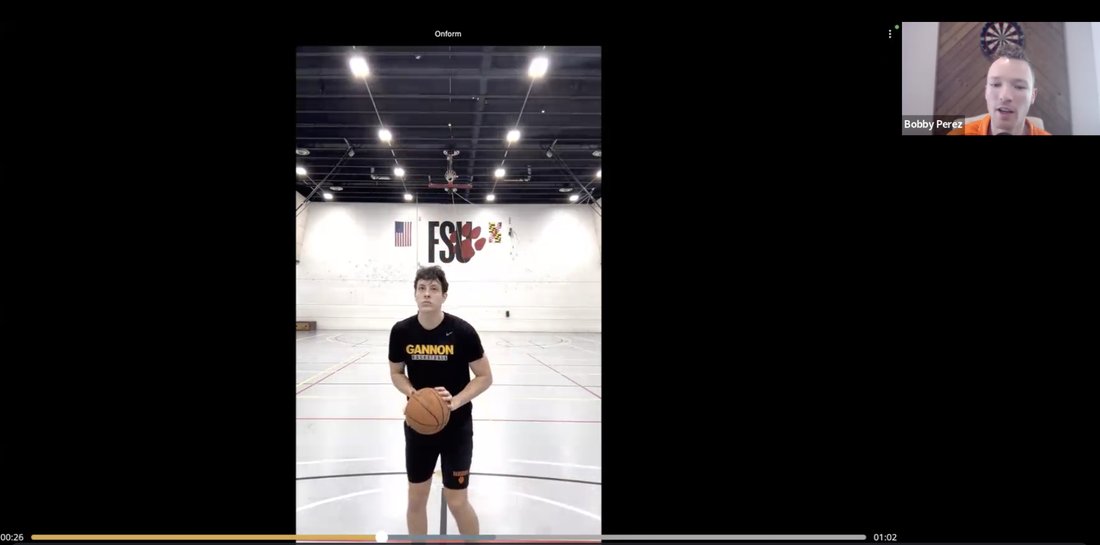
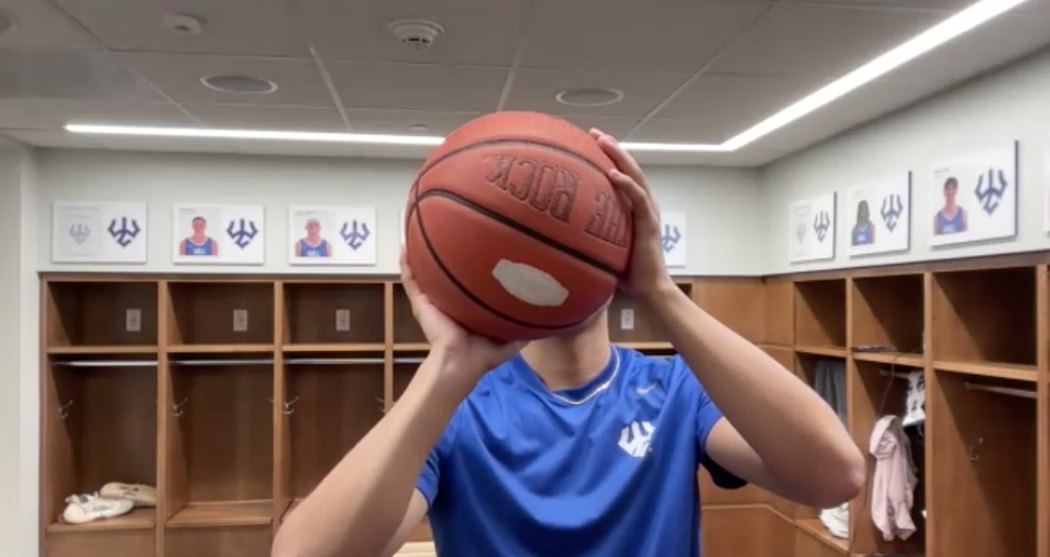
Real calls, unedited — this is what Step 3 actually looks like.
Work Phase 1 in order. Each level adds a piece of the shot and gets harder as you go, and you don't move on until you pass the one you're in. Film yourself shooting, upload it in the app, and I send back feedback — every time.
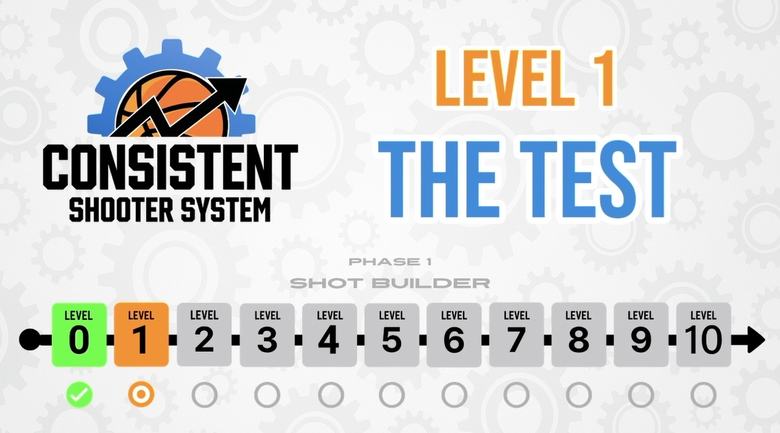
What each level asks of you, and the standard that unlocks the next one, is inside the system.
This is the part players don't expect. Most feel it in the first session — the shot stops feeling like effort and starts feeling like a layup. By the time you're through the levels, that isn't a good day. It's just how your shot works now.
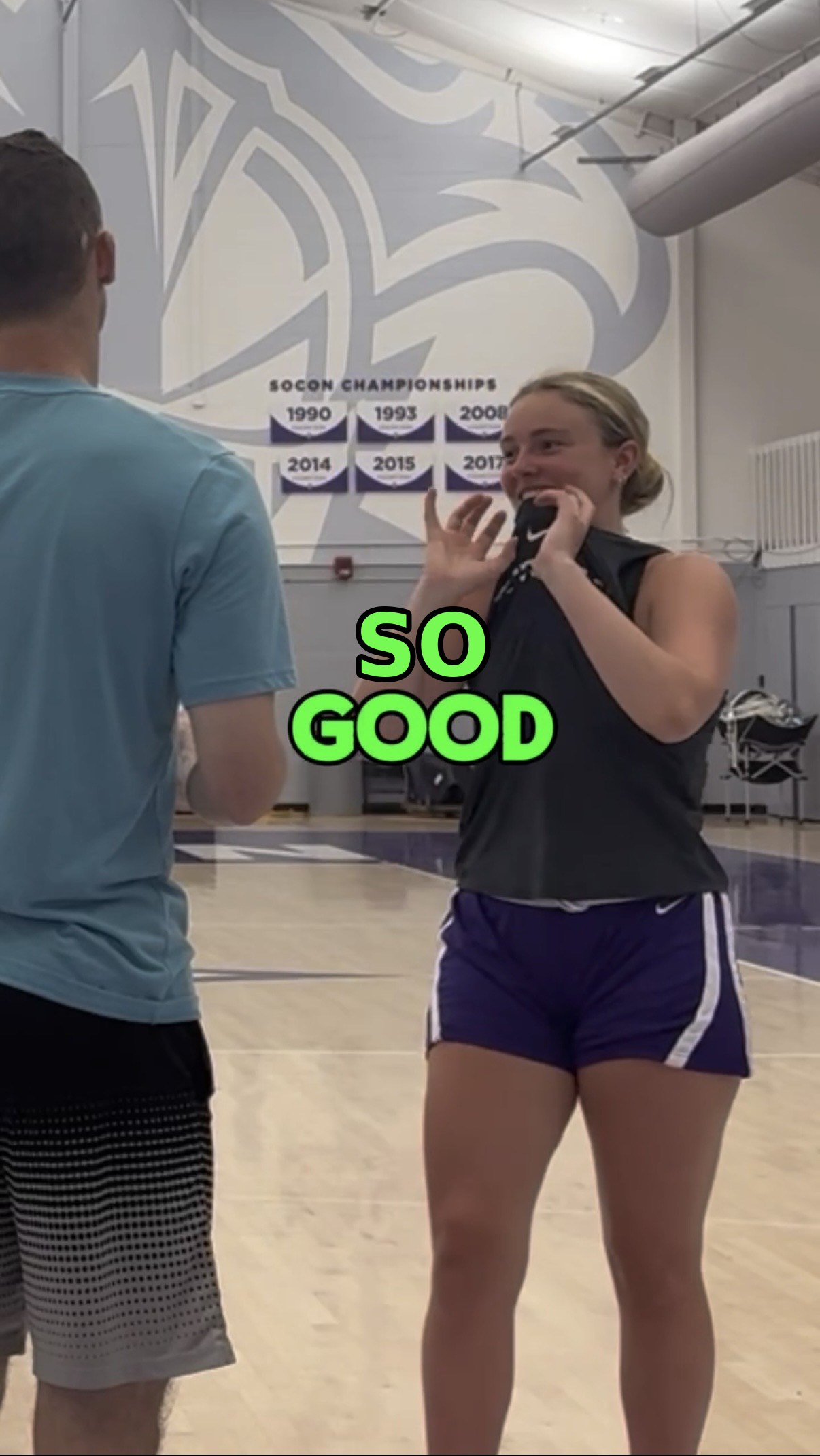
Real reactions, first hour in the gym.
Because you measured on day one, you have a hard number to beat. Shoot the same 100 shots and watch what the work did — the same before and after every player below went through.
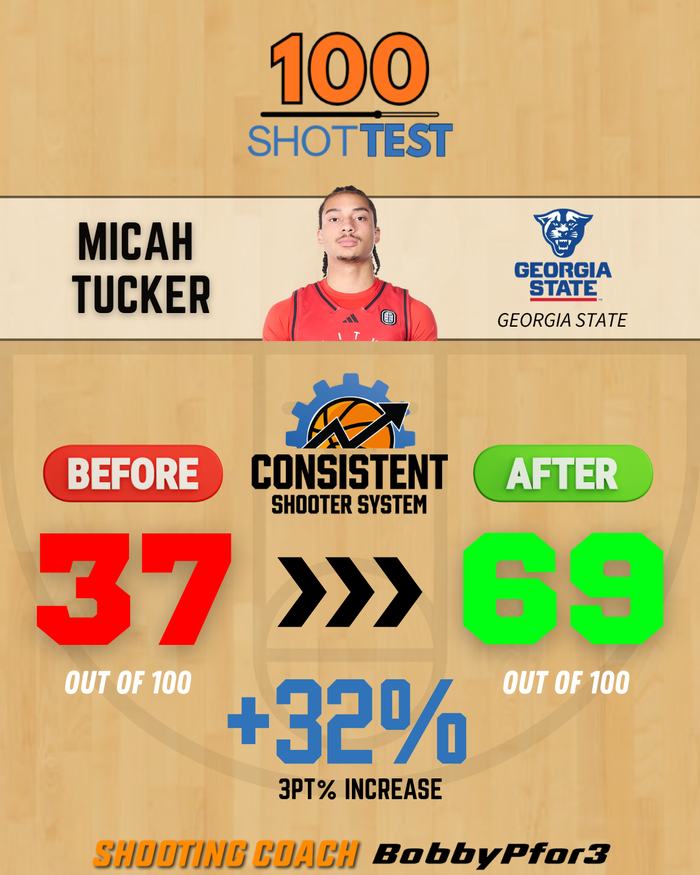
Micah Tucker · Georgia State — 37 → 69
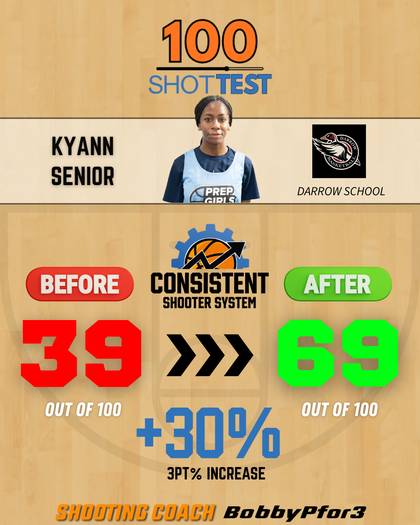
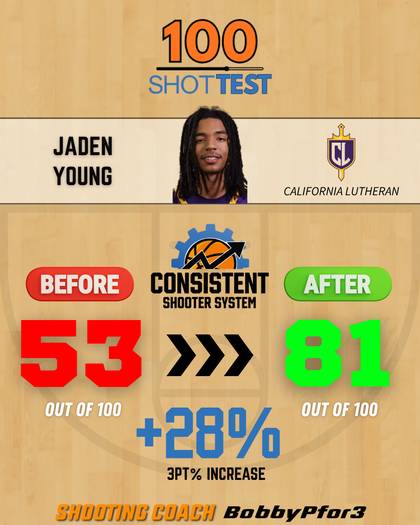
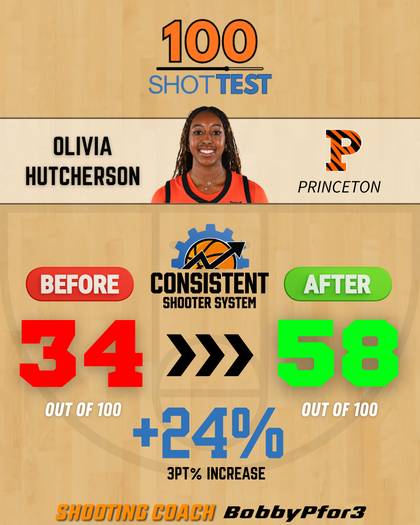
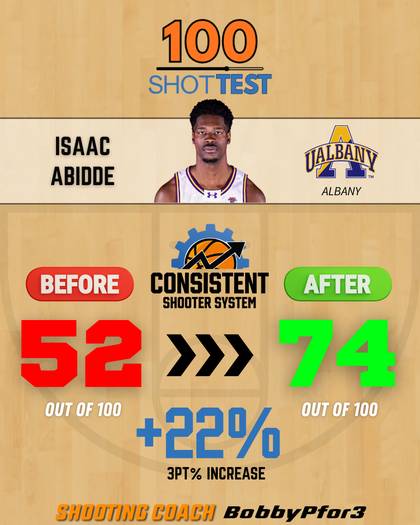
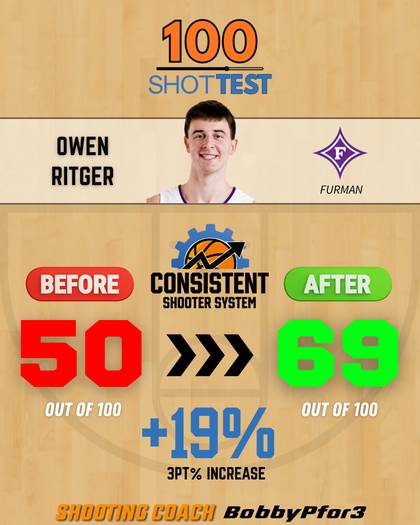
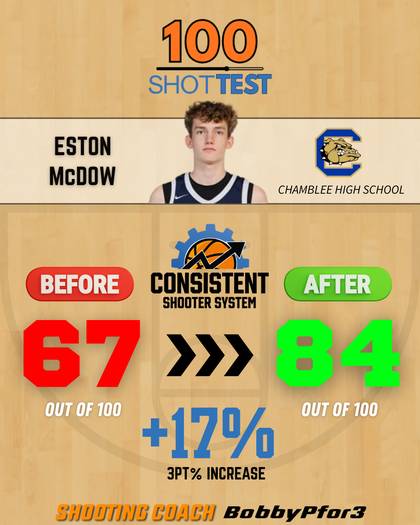
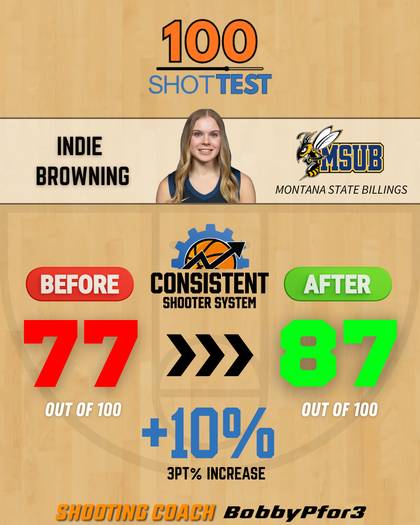
Swipe for more players →
The six steps are what I guarantee. This part I can't put in writing, because a game is a game. But it's the reason anybody does the work — and it's the part that keeps happening.
Across 14 tracked players, catch-and-shoot three-point percentage in live games went up an average of nine points — verified through Synergy Sports, not self-reported.
But the moments players actually tell me about don't show up on a spreadsheet.
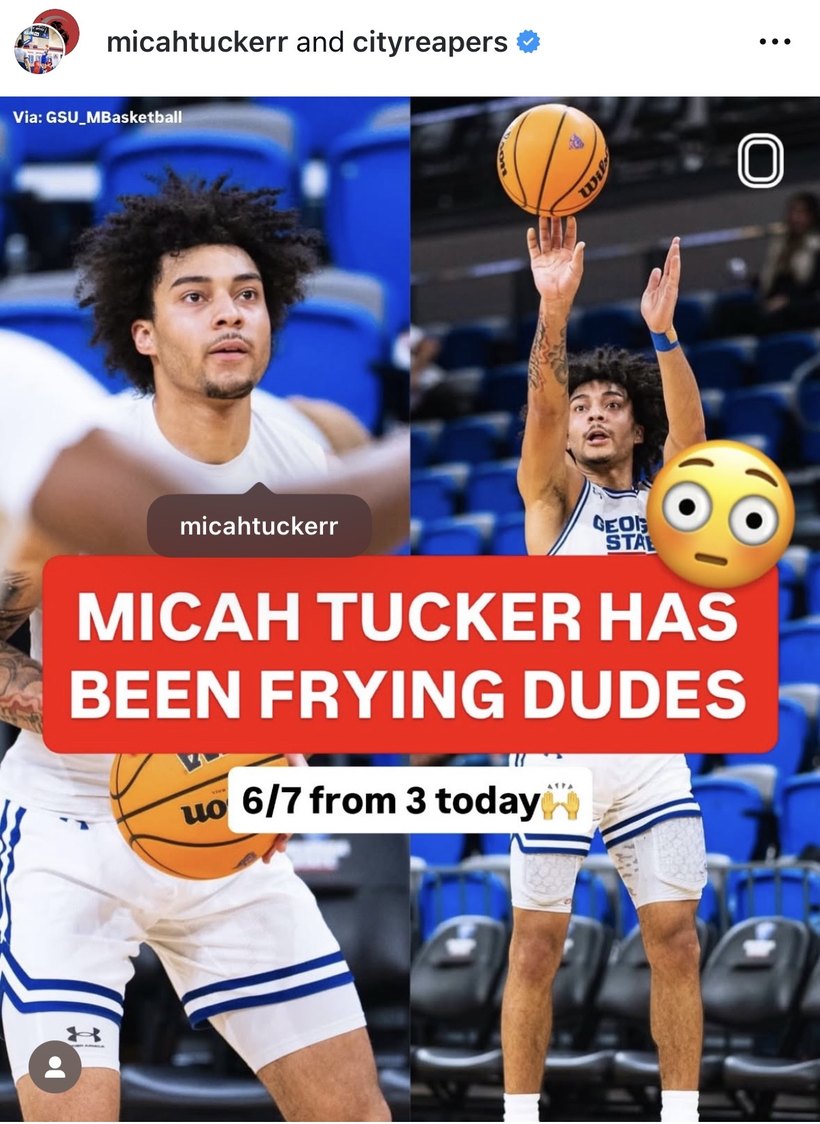
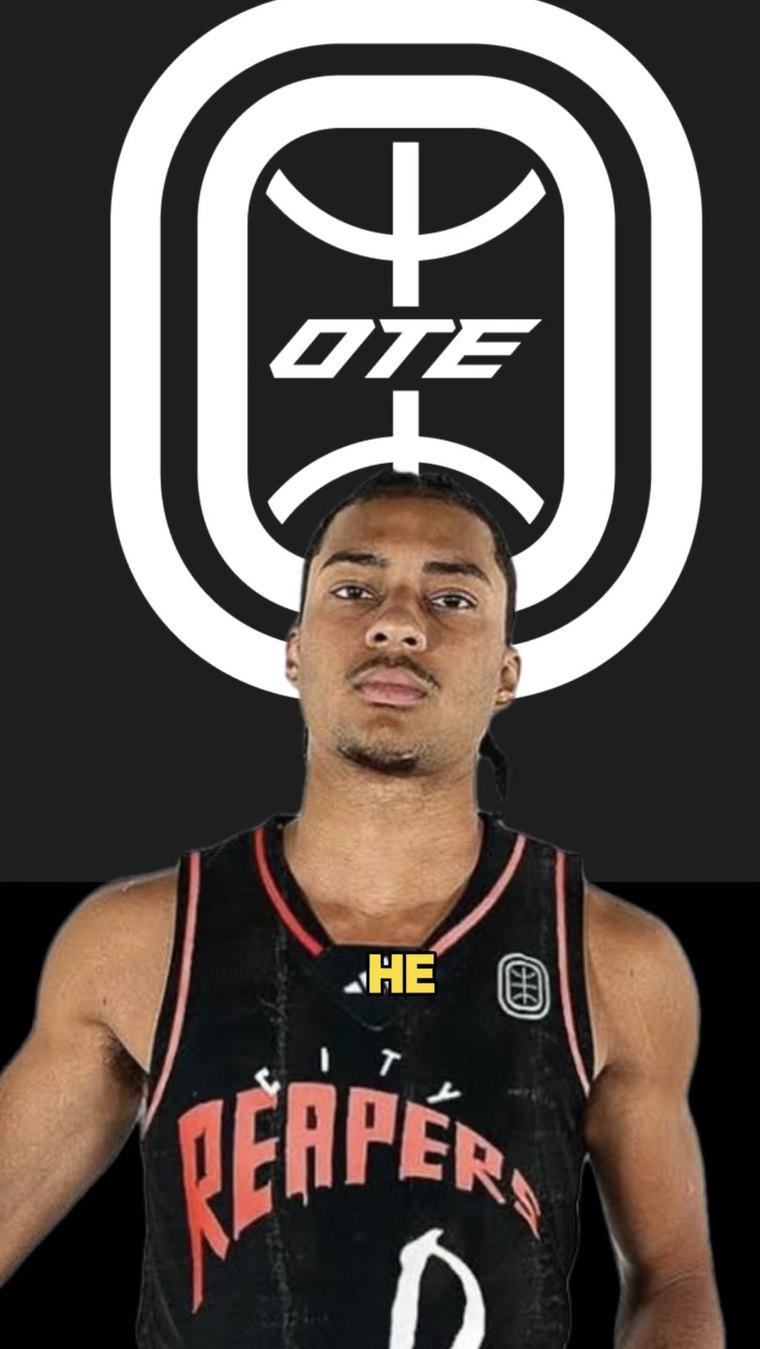
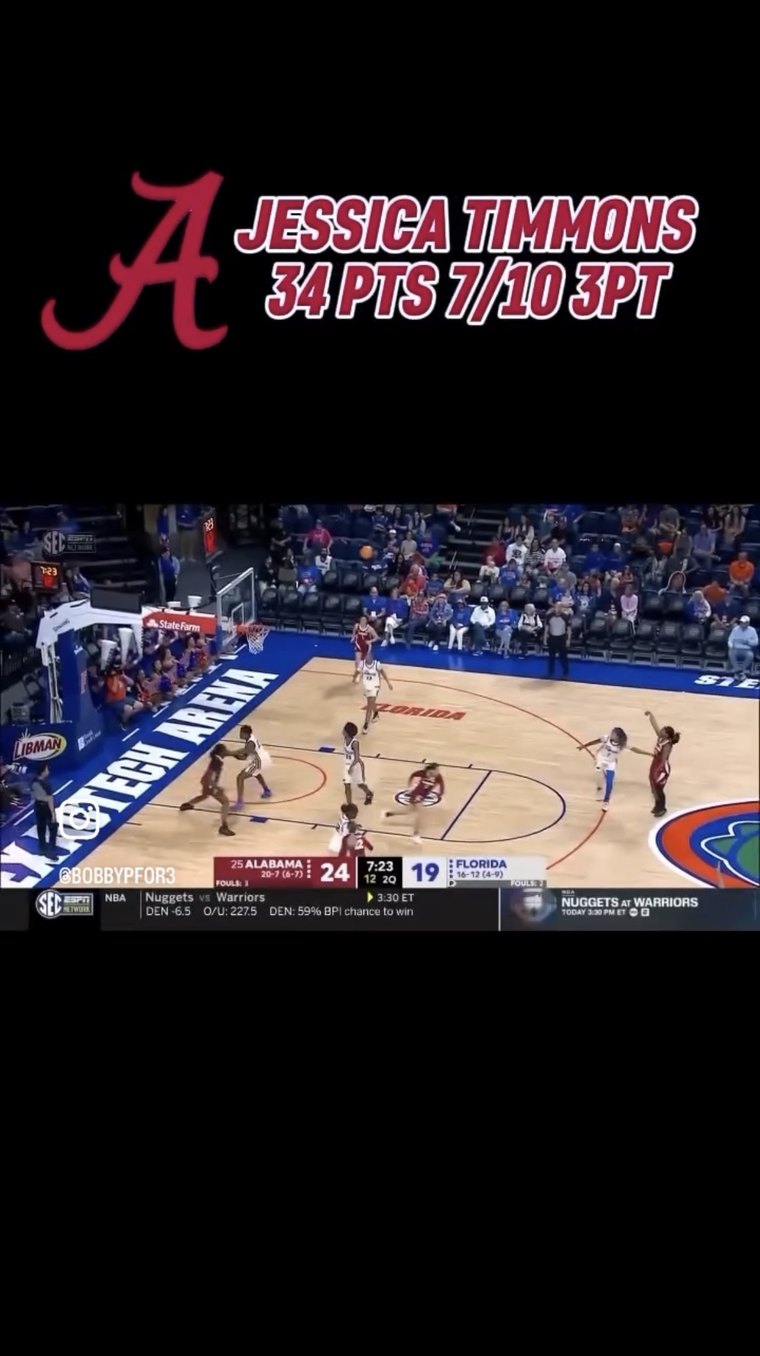
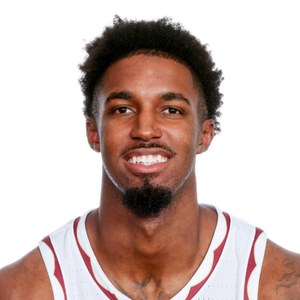
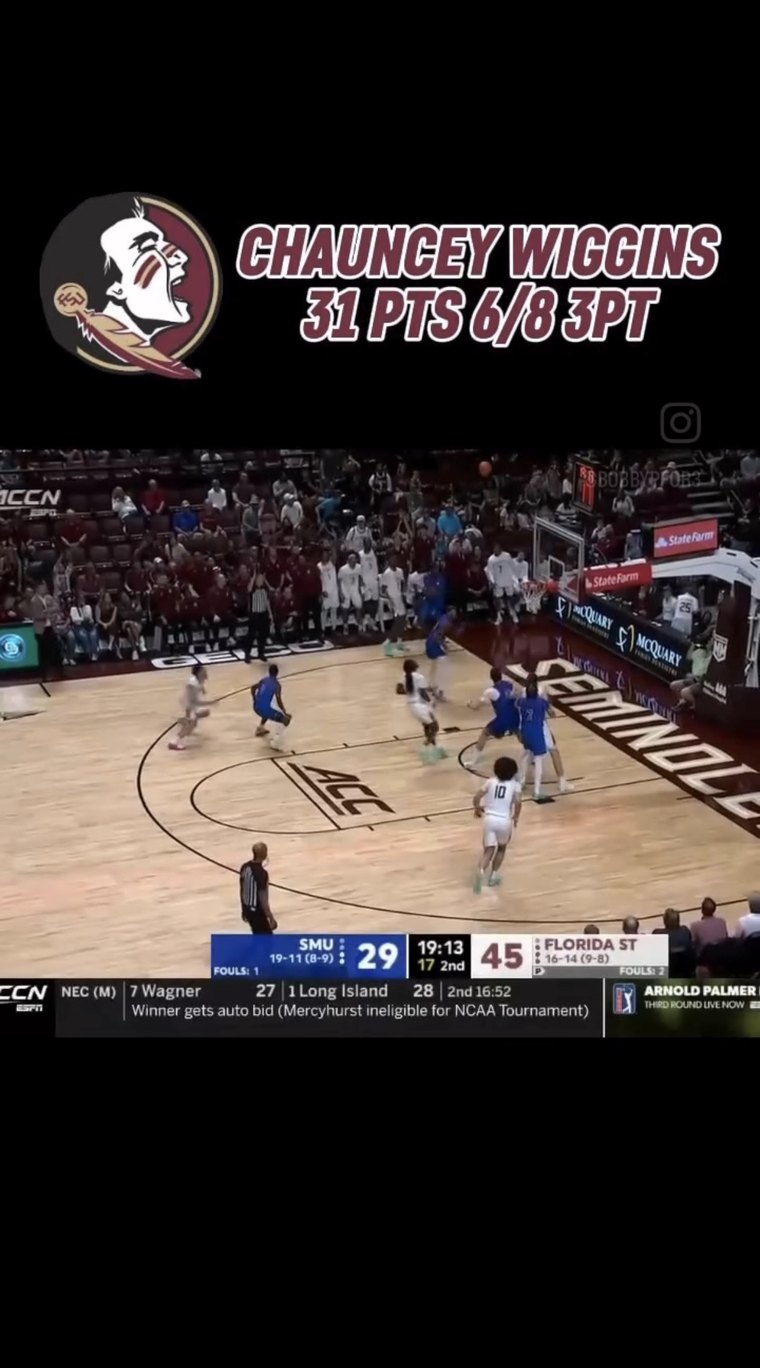
These came in after sessions — from the player, or from their mom or dad. Nothing here is written by me. Names and numbers are cropped out; the words are exactly as they were sent.
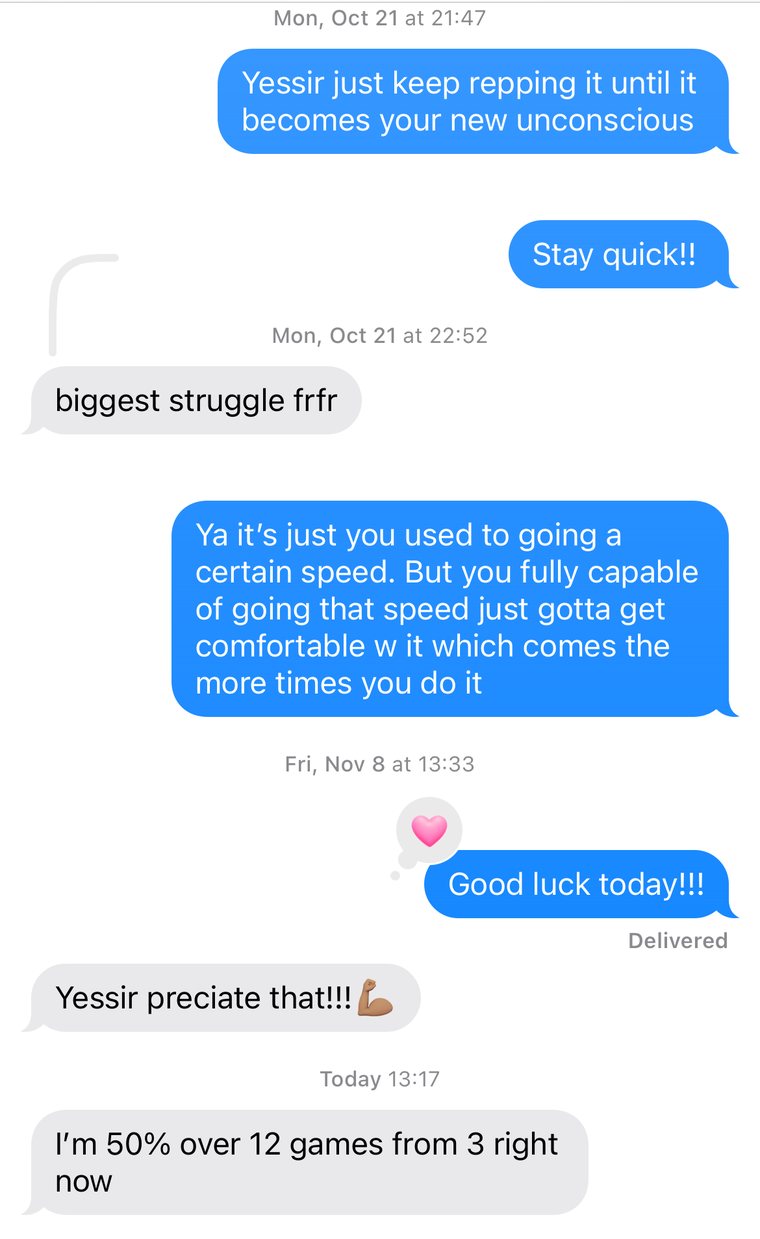
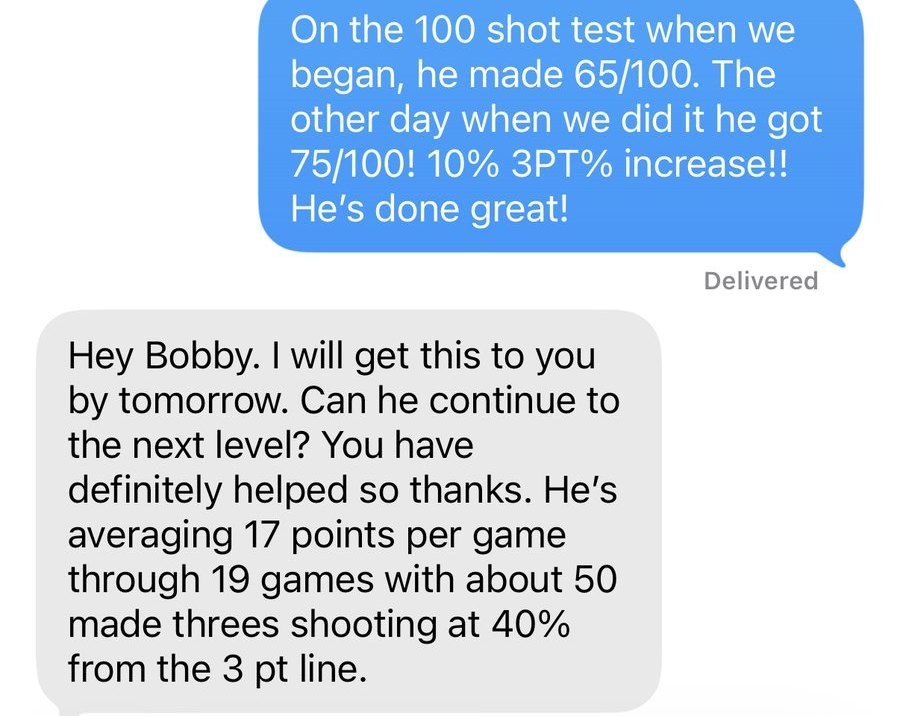
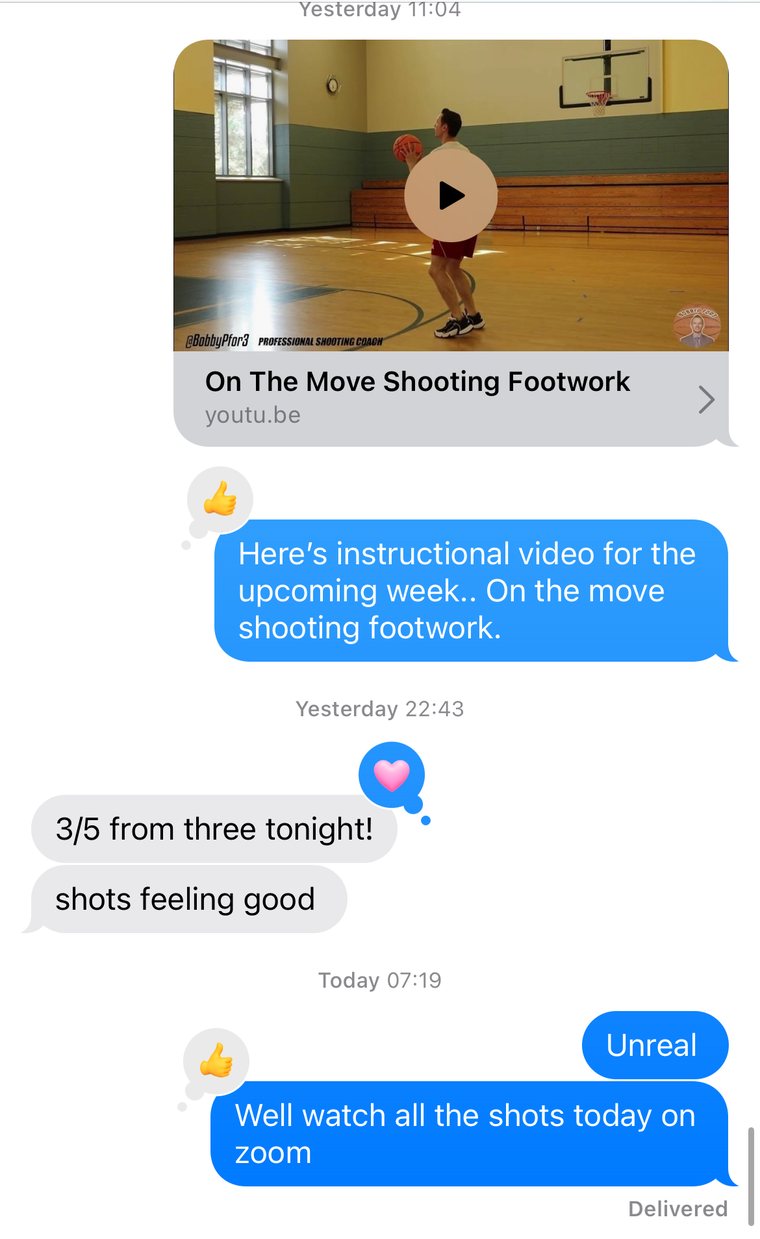
Seventeen more, straight off the phone.
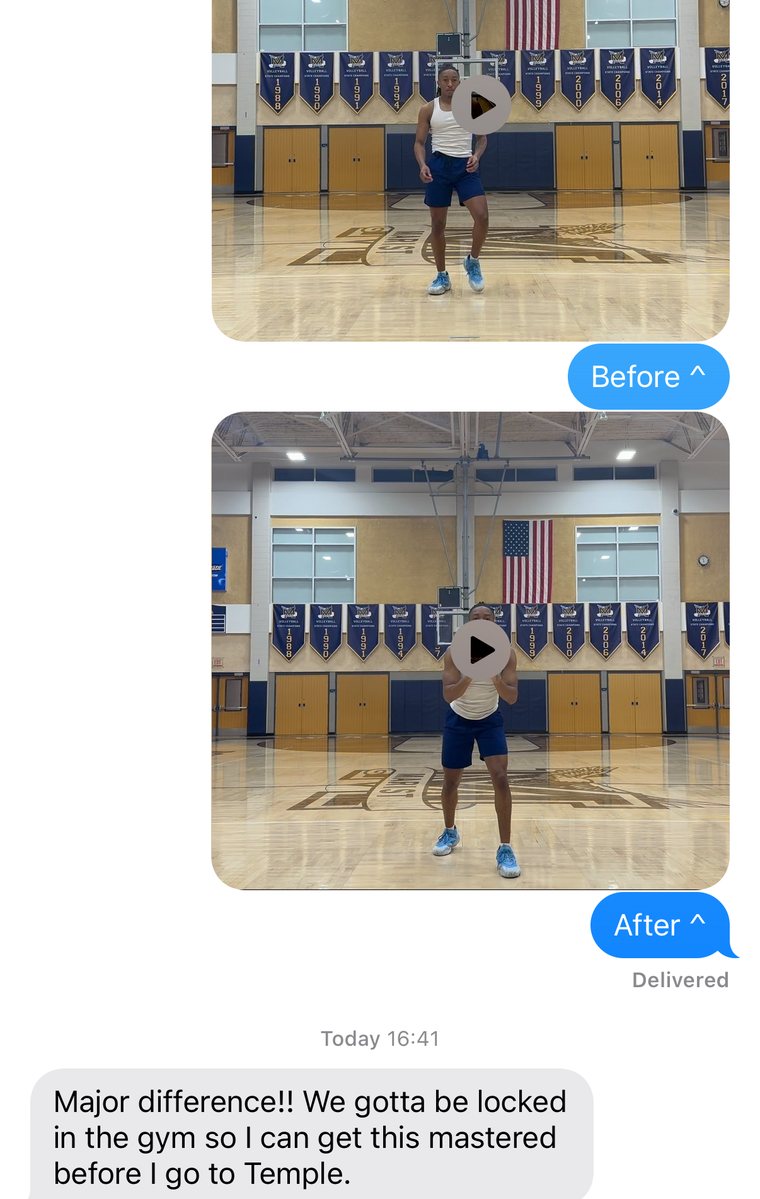
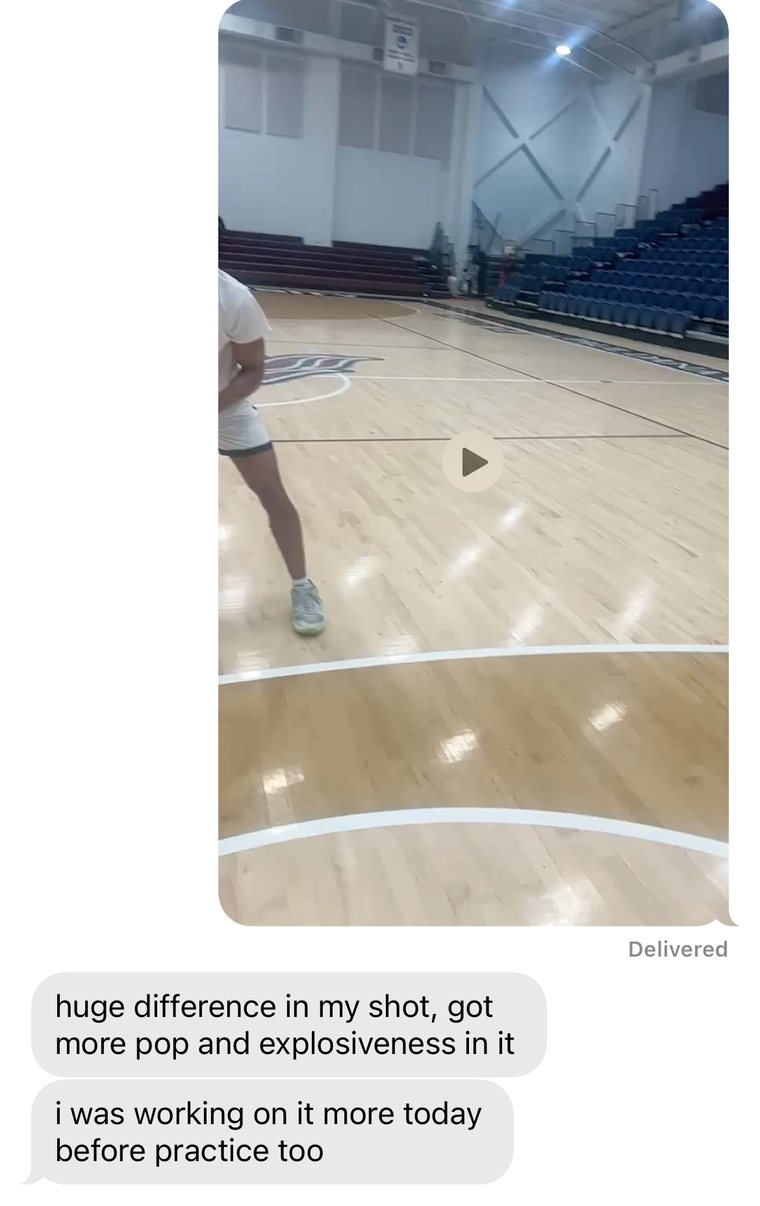
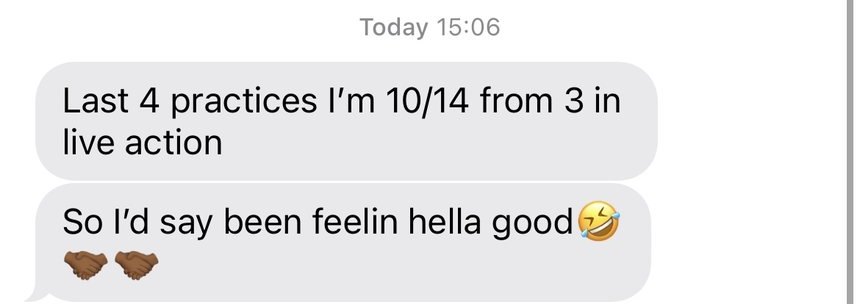
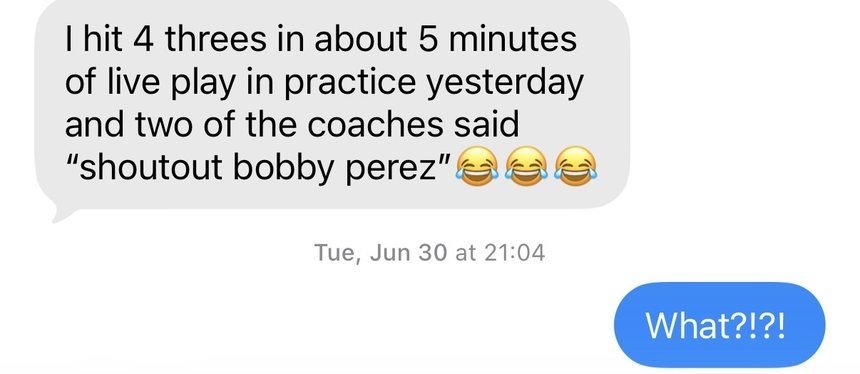
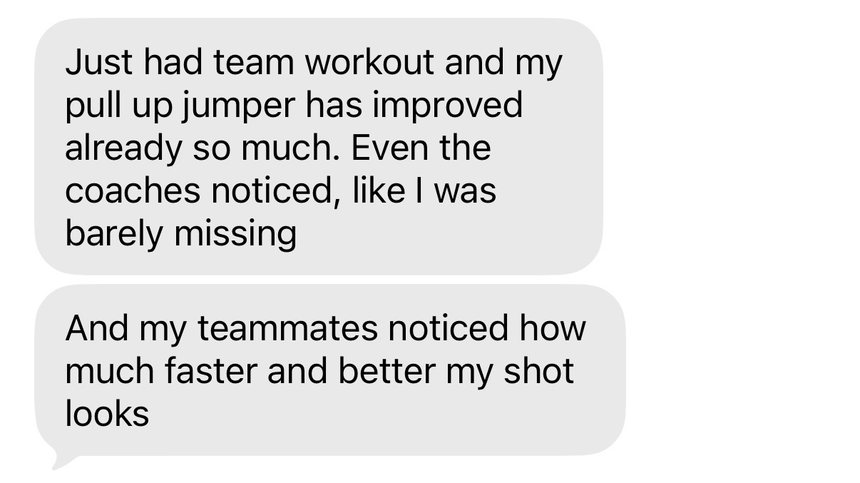

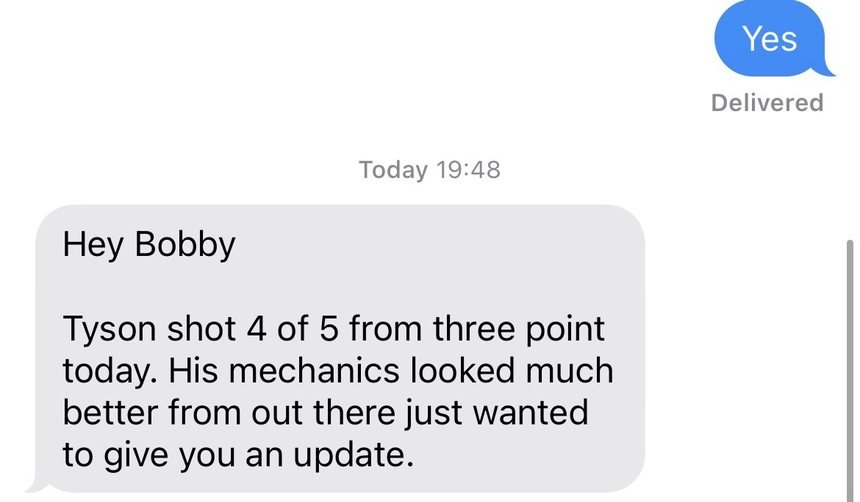
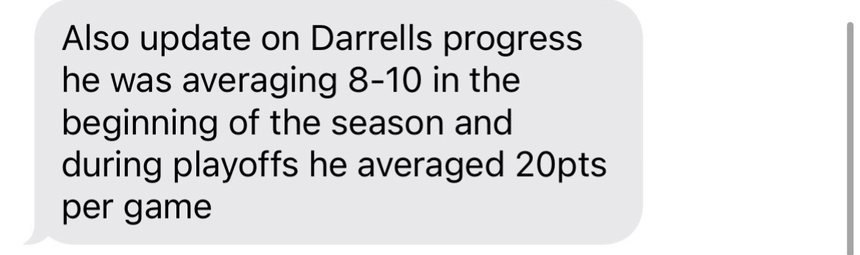
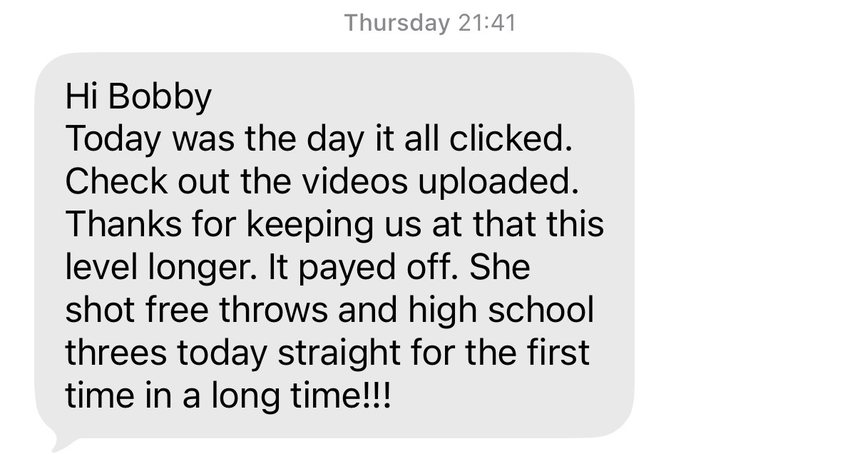
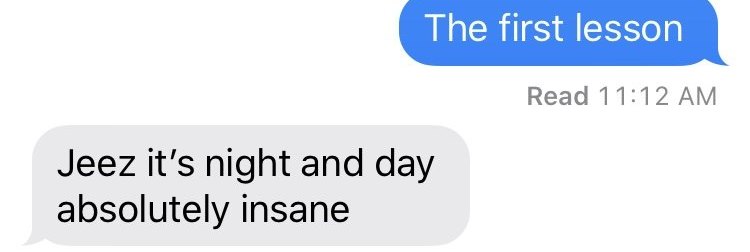
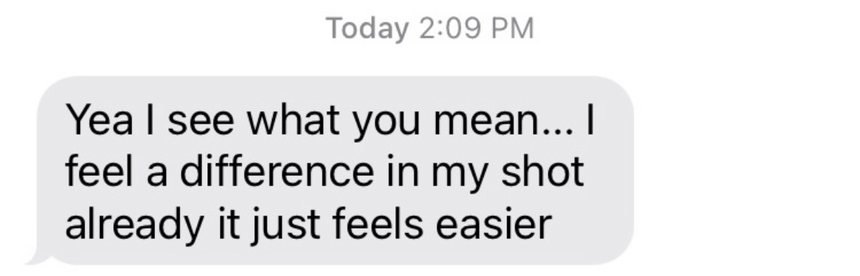
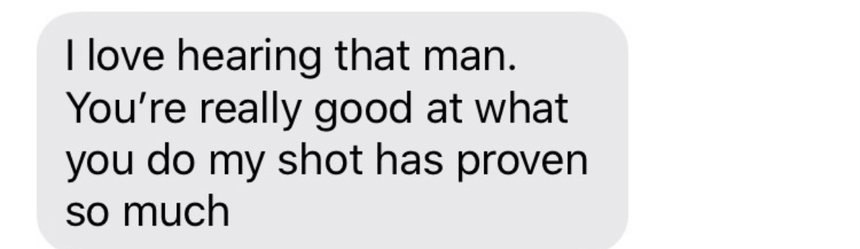
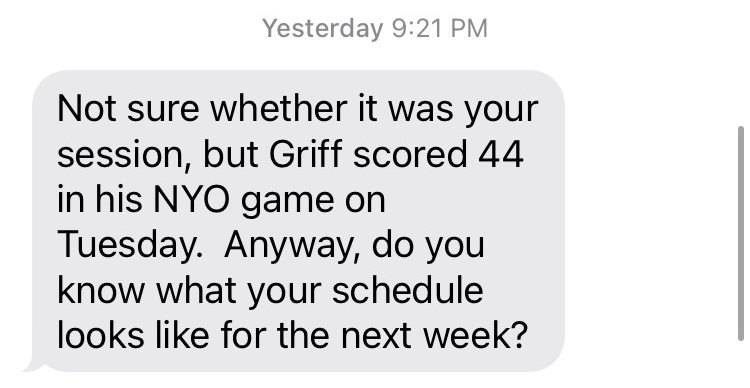
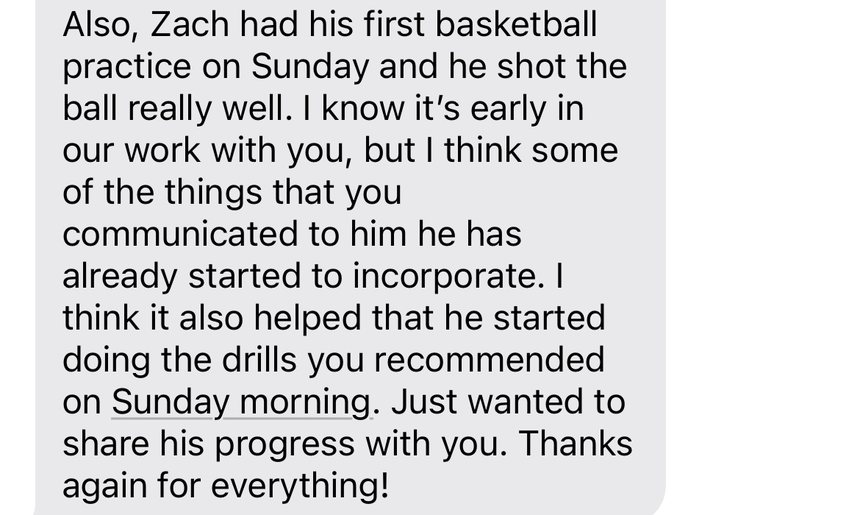
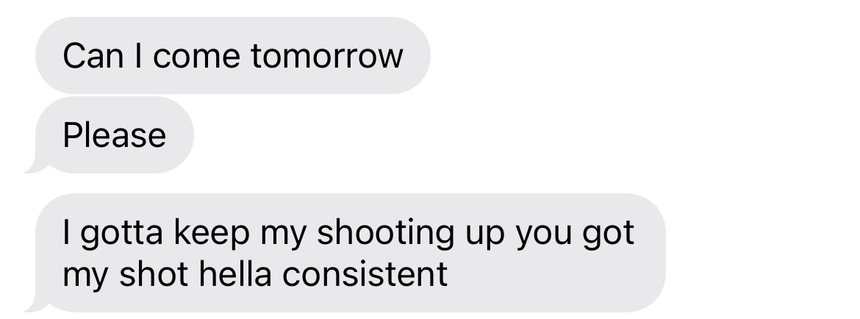
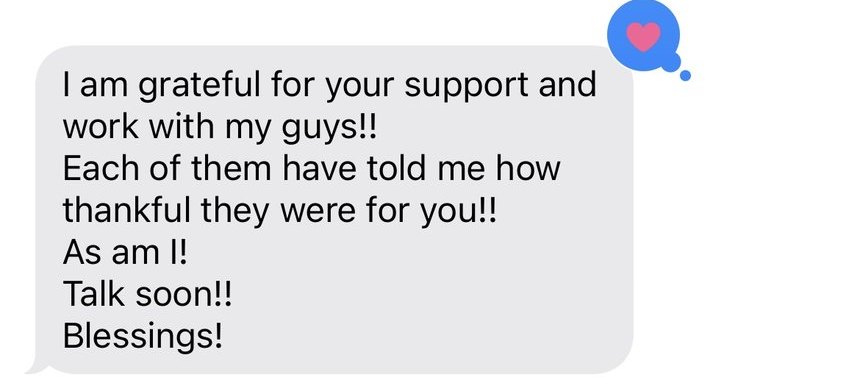
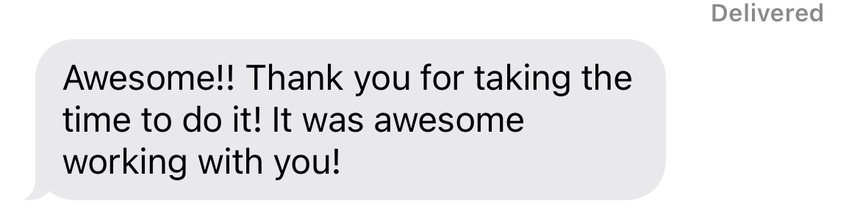
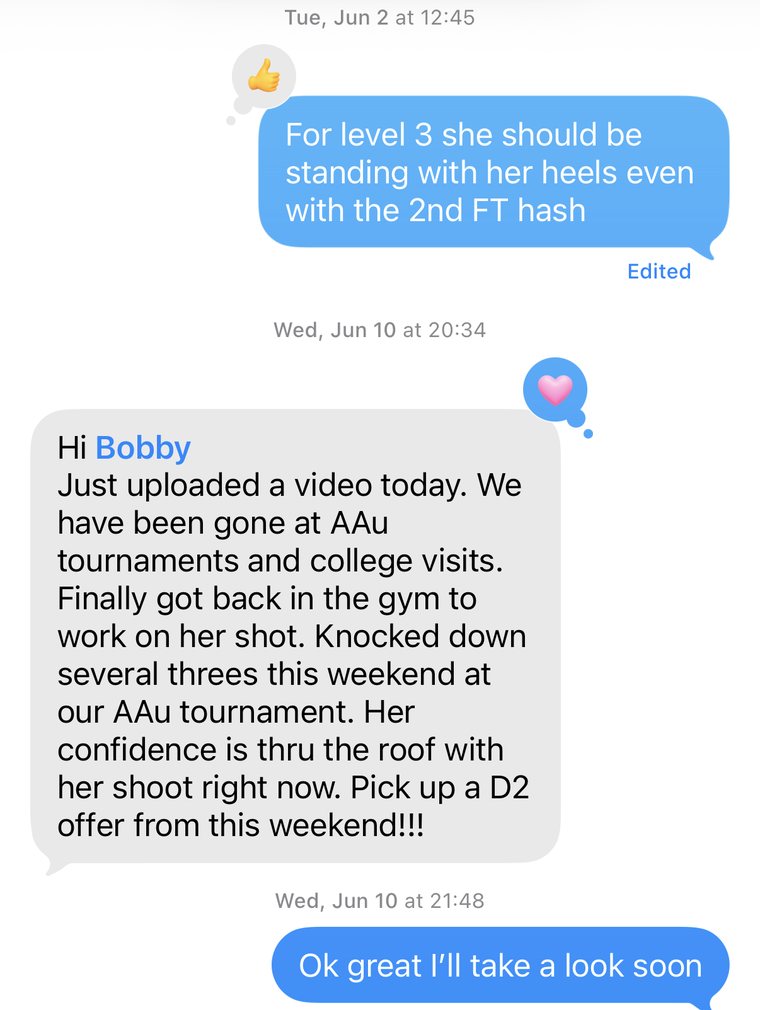
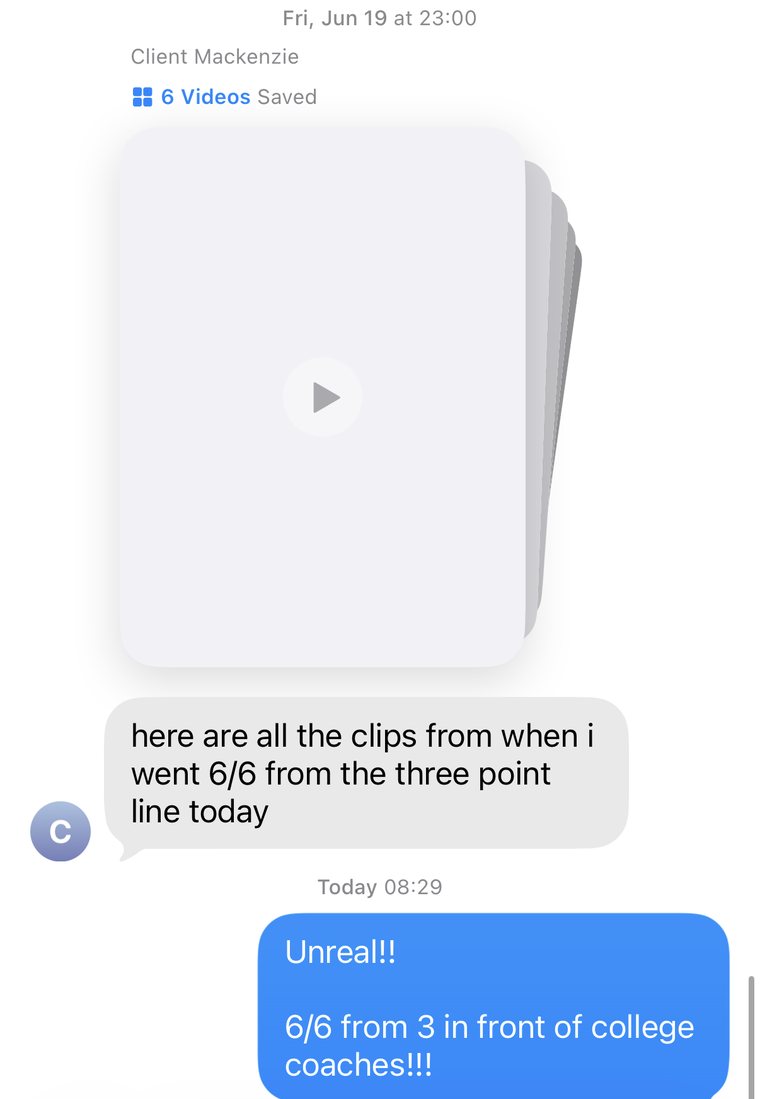
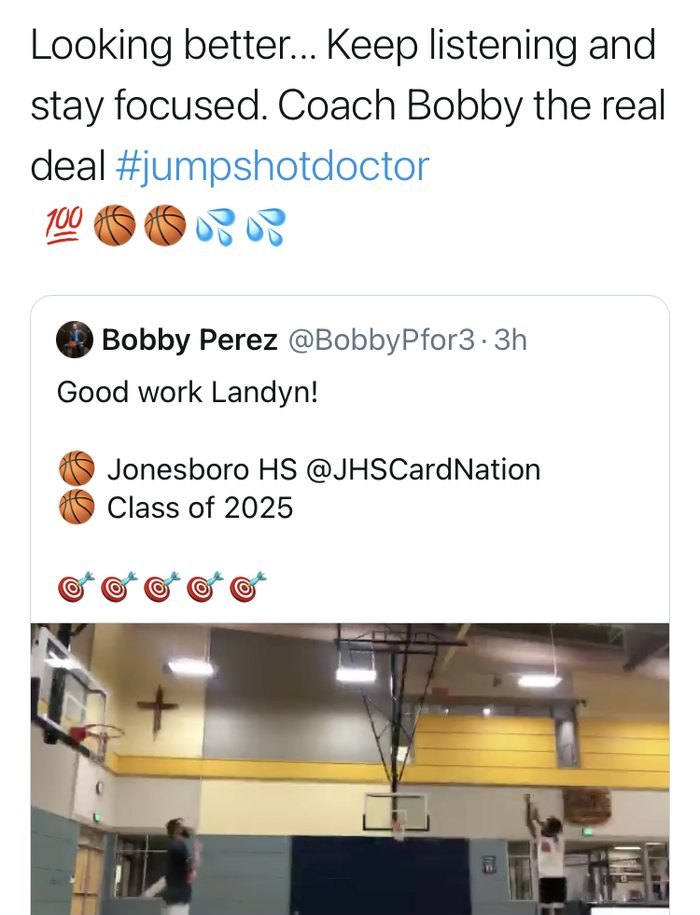
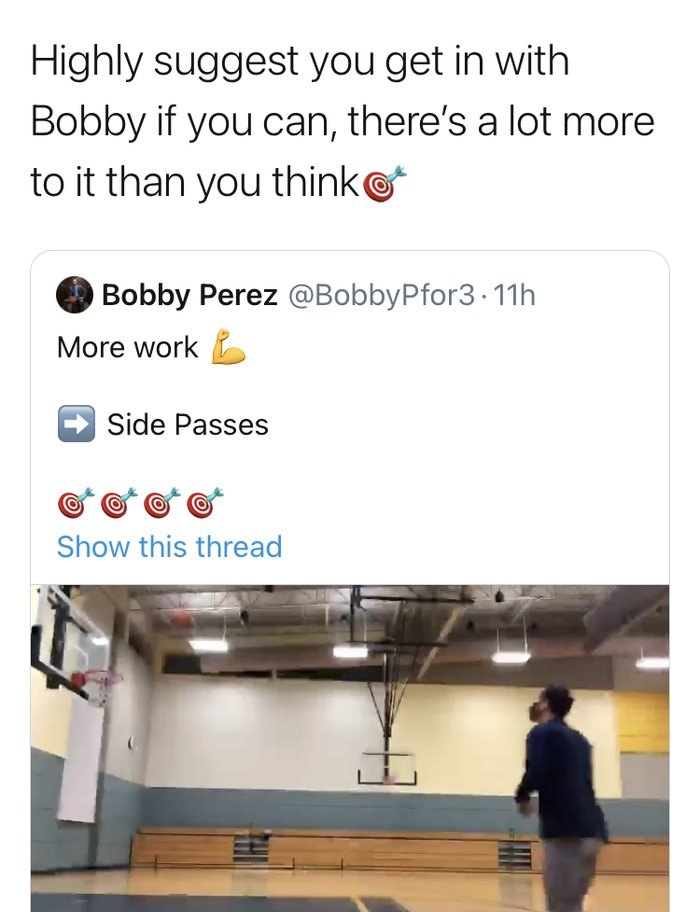
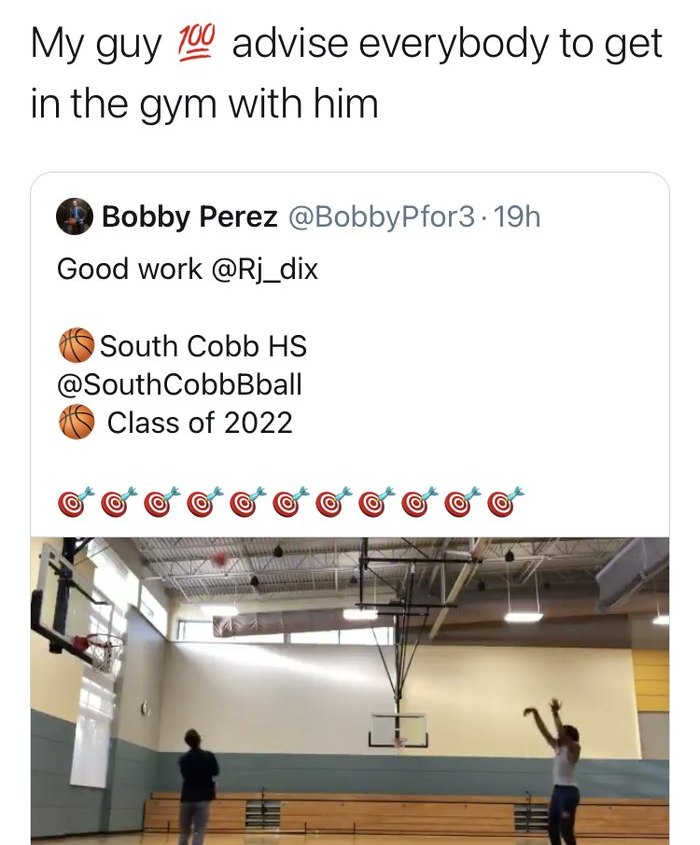
A two-way NBA contract. One of the most prolific three-point shooters in NCAA history. Division I assistant coaches. Trainers who send me their own players.
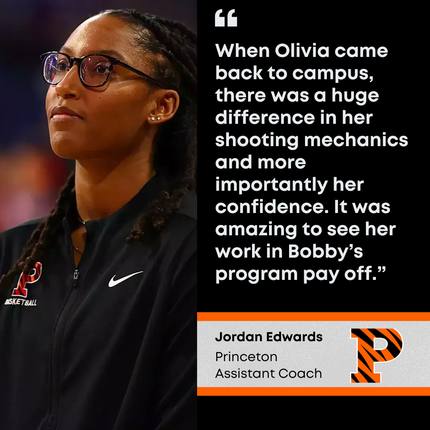
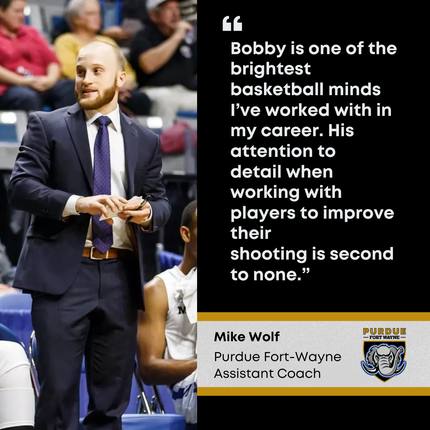
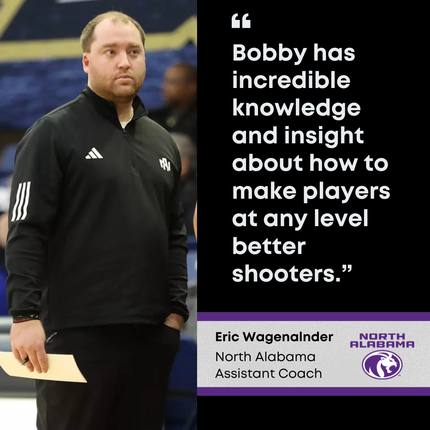
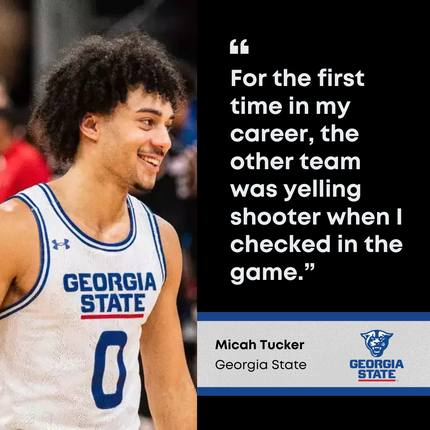
Anyone can send a private thank-you. These went out on their own timelines, to their own followers.
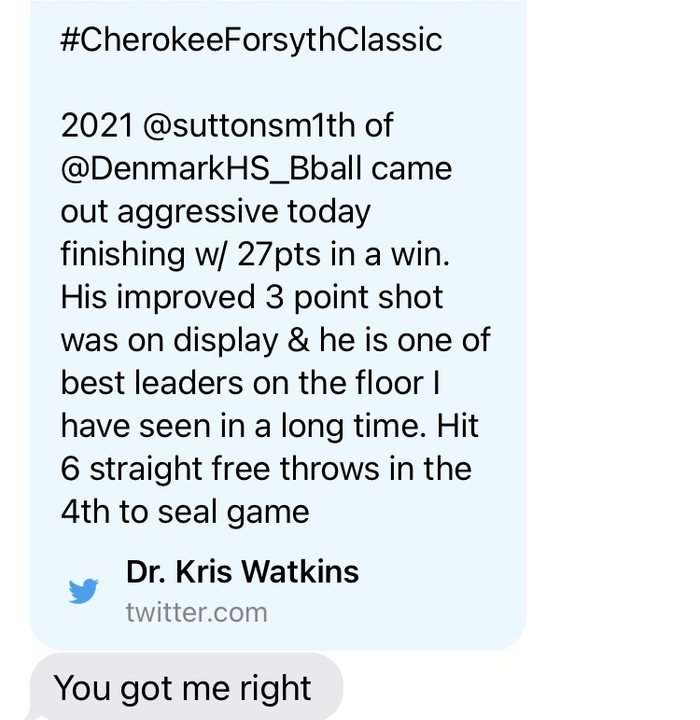
A recruiting writer covering the game led with it: 27 points in a win, and “his improved 3 point shot was on display.” The player forwarded it to me with three words.
“You got me right.”
Two shooters who were already good, and what happened when the details got measured.
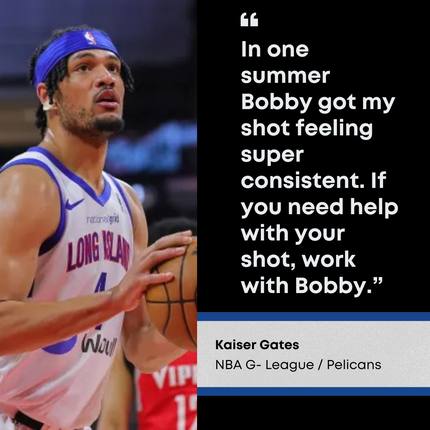
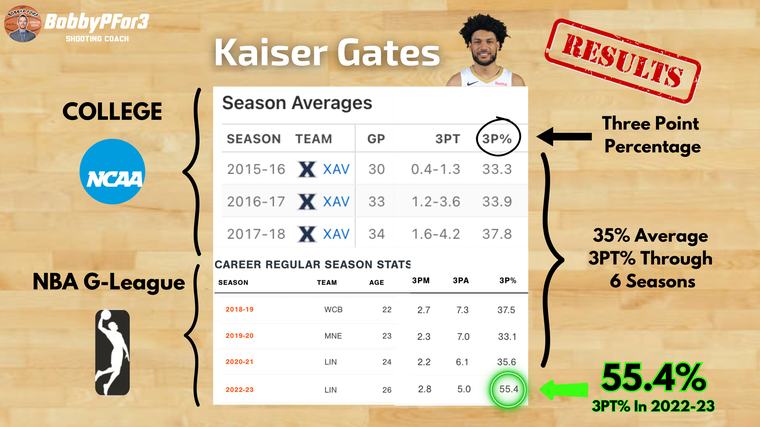
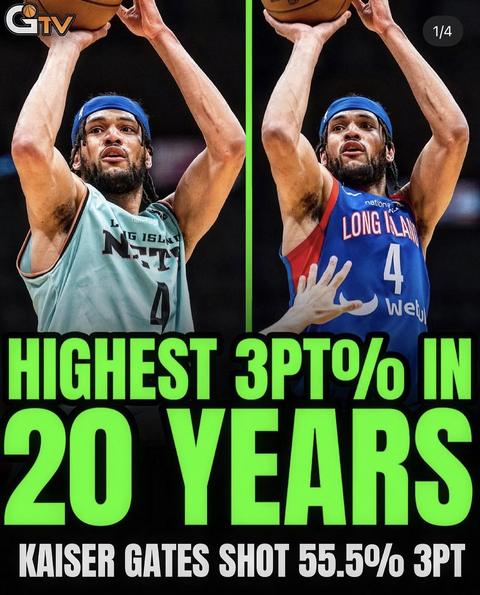
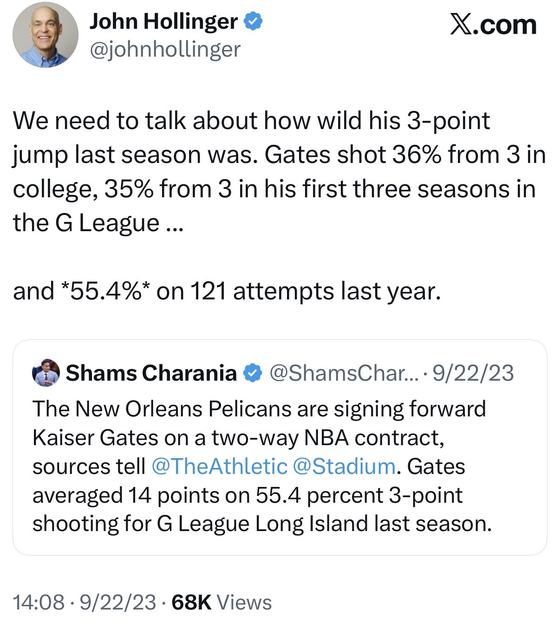
Kaiser shot around 35% from three across three years at Xavier and his first three G League seasons. Consistent — consistently average. After a summer in the system he shot 55.4% from three on 121 attempts for the Long Island Nets, the best mark the G League had seen in two decades. That September, the Pelicans signed him to a two-way NBA contract.
"In one summer Bobby got my shot feeling super consistent. If you need help with your shot, work with Bobby."
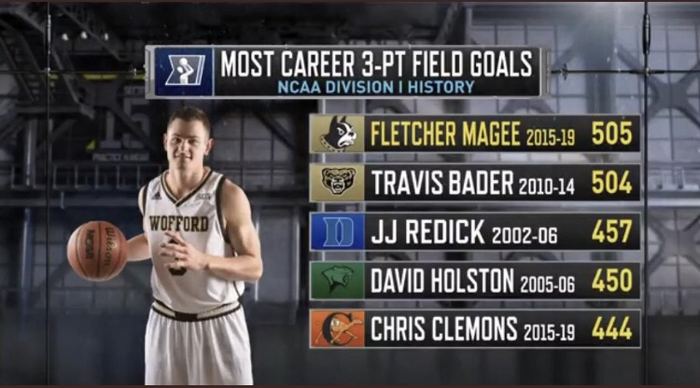
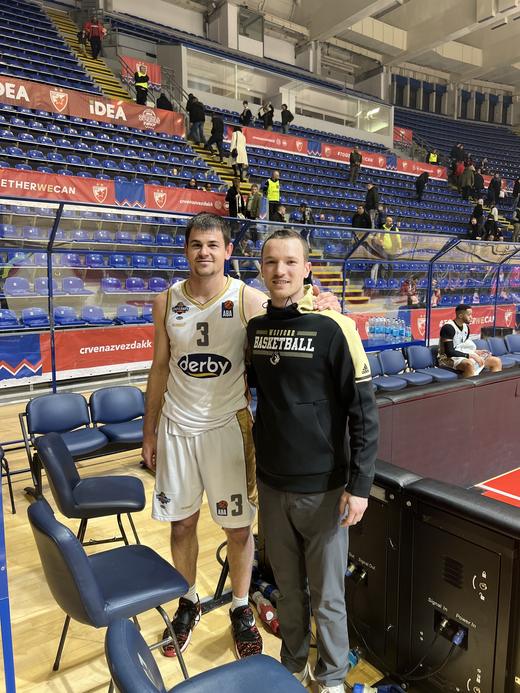
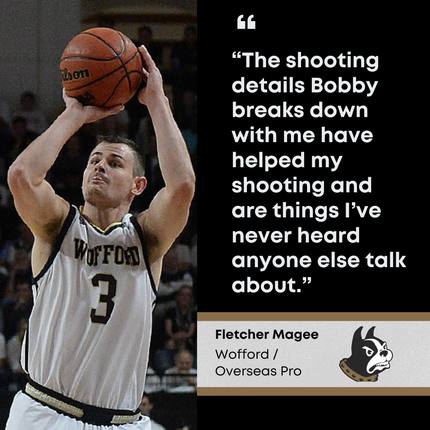
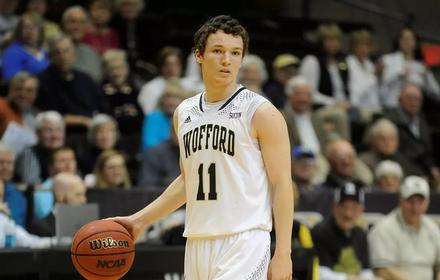
Fletcher finished his Wofford career as Division I's all-time leader in made three-pointers. Three players have passed him since — and every one of them needed a fifth season to do it. Among four-year careers, his record still stands. He is, by any measure, someone who already knew how to shoot.
Which is what makes what he says about the work land harder than any percentage on this page:
"The shooting details Bobby breaks down with me have helped my shooting and are things I've never heard anyone else talk about."
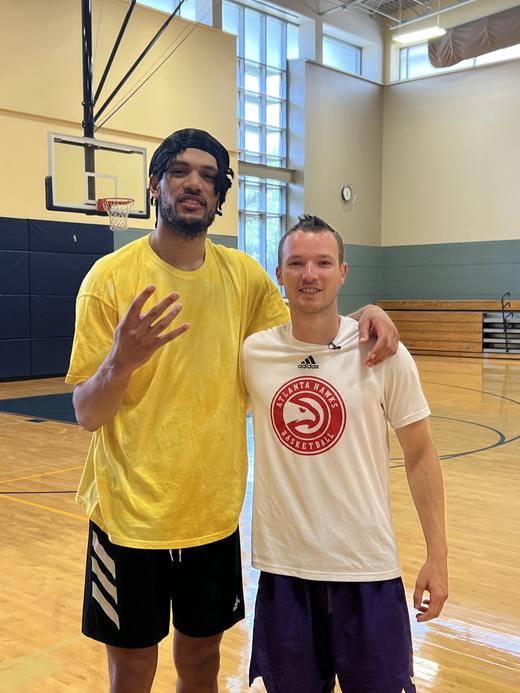
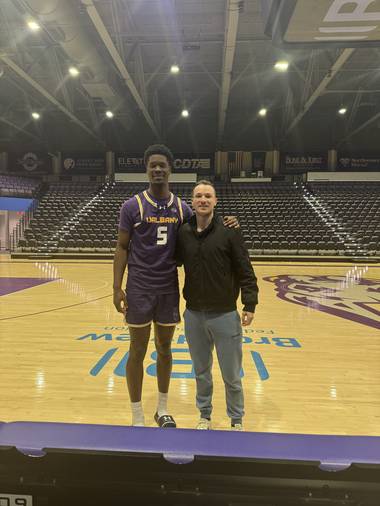
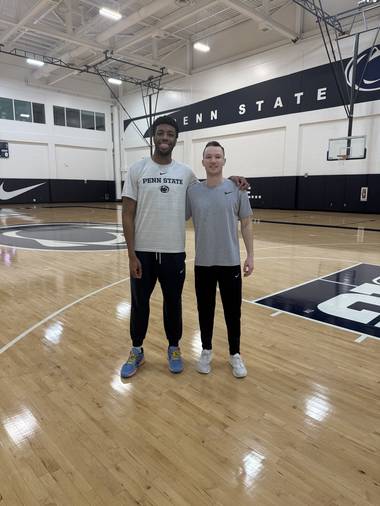
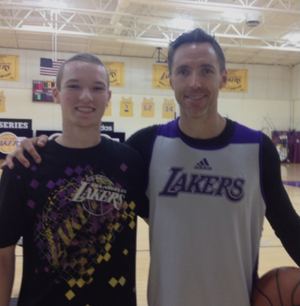
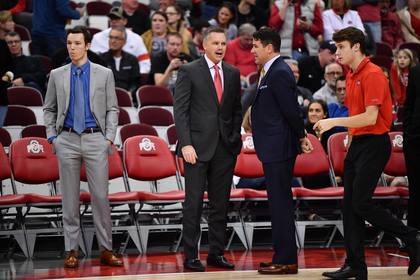
These aren't names I collected. They're players I've stood next to on their own floors, and the numbers on this page came out of that work.
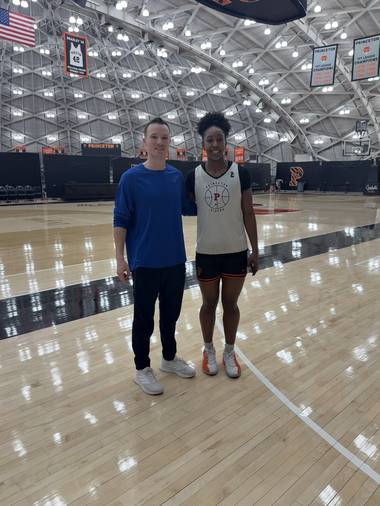
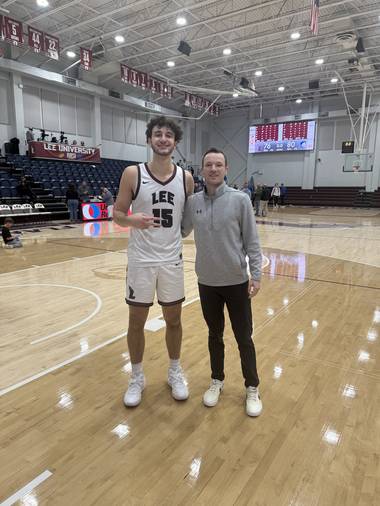
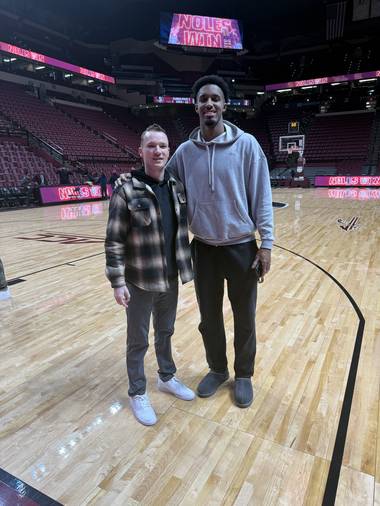
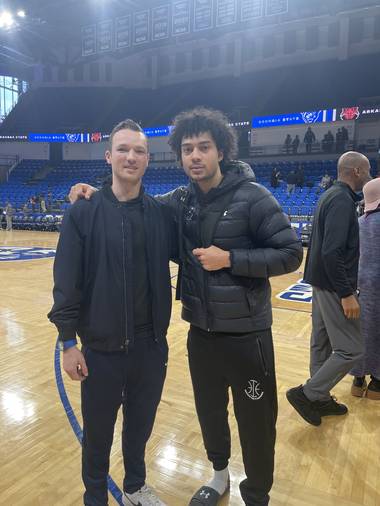
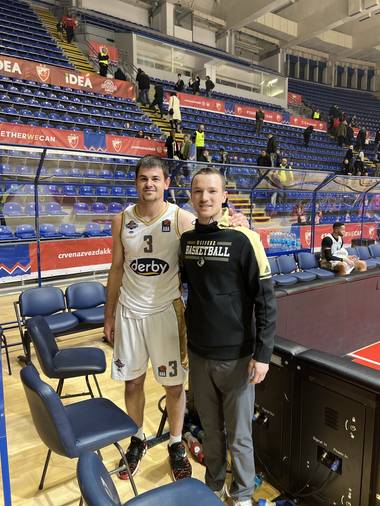
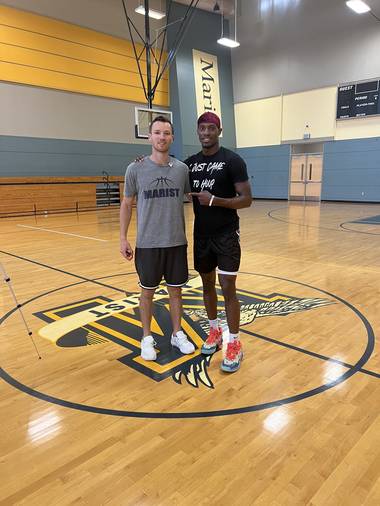
Swipe for more →
Ten minutes in the gym, and the first honest picture of your shot you've ever had. Your real numbers, free. The full Shot Evaluation and the levels come when you start the system.
The test scores out of 100. Average across everyone who takes it is 65. Where you land tells you whether you're a shooter, a non-shooter, or somewhere in between — and it's the number every level in the system gets measured against.
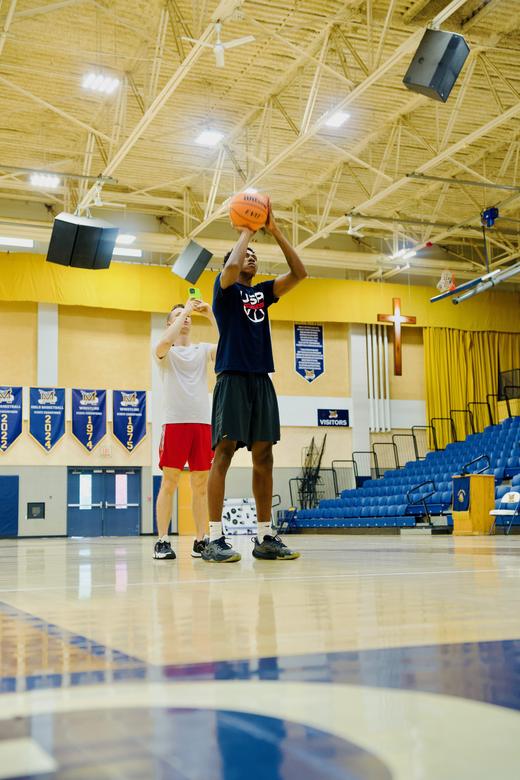
I played at Marist School here in Atlanta, then four years at Wofford — alongside the guy who left as the most prolific three-point shooter in NCAA history. Since then I've been on coaching staffs at every level there is: boys middle school, high school, Division III, Division I, and a professional team.
And at every single one of those levels, I saw the same thing: nobody could tell a player why the ball missed. Coaches would say "follow through" or "get your legs into it," the player would nod, and nothing would change — because none of it was measured. Everyone was guessing, confidently.
So I built the thing I wished existed: a system that produces real improvement, five pillars that every shot gets rated against, and eleven levels that build consistency one step at a time. It works the same for a sophomore trying to make varsity as it does for a pro trying to stay on a roster, because the measurement doesn't care who you are.
I know the feeling of being inconsistent — of not trusting your shot when the lights come on. I spent my whole career experimenting with my own, and I learned exactly what it takes for a shooter to reach their potential. Let me teach you that. Not just a better percentage: the confidence of knowing your shot is going in, and knowing how to get it back on the nights it feels off.
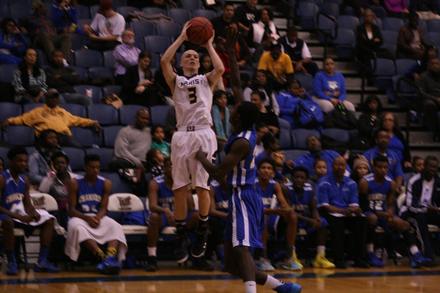
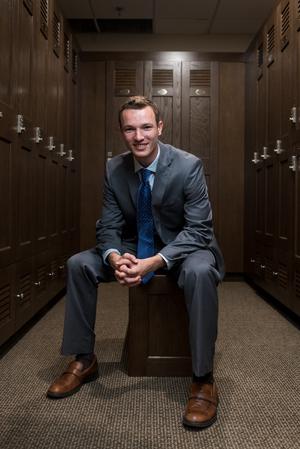
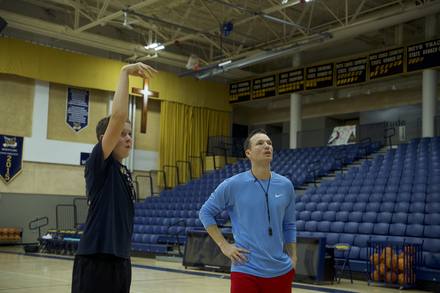
Swipe through →
The full course — every level, every drill, every standard. Yours permanently, including anything added later.
A one-on-one call where we go through your evaluation and film together and set your starting level.
Shows whether your set point is stealing power and sending the ball off line.
Retake the test as you progress and watch the number move — the same before/after you saw above.
Every evaluation rates Power Ratio, Rhythm, Power Consistency, Set Point and Release, with the reason behind each.
Every time you shoot, upload the video in the app and I send back my feedback. You are never guessing alone between sessions.
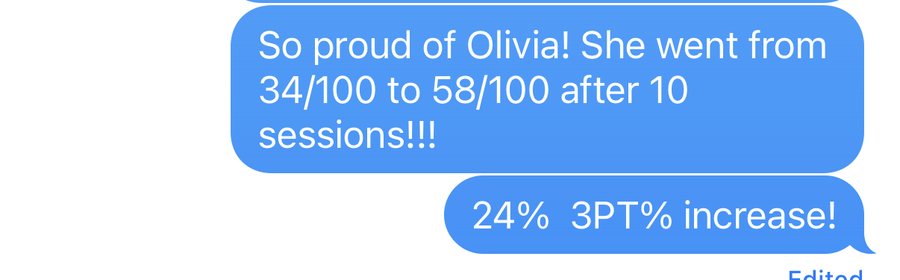
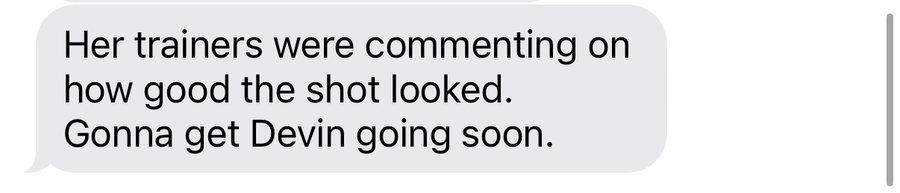
Sessions are optional — but here's what they did for one player who wanted them: a 24-point jump in three-point percentage on the same 100-shot test, and her other trainers noticed without being told.
“Her trainers were commenting on how good the shot looked.”
All you need is a ball, a hoop and a $15 tripod. Flexible payment options through Affirm or Klarna at checkout, subject to approval.
The intro session is how you start in person; ongoing sessions are for players enrolled in The System. Atlanta or able to travel to Atlanta. Optional either way — the system works on its own, which is what the guarantee is for.
The System + 3-Session Pack = $1,299 — one decision, everything in.
Sunday nights in Atlanta — 40 group workouts a year, level work with competition and my eyes on the room. Capped at 24 players, reserve your spot by Saturday. Your first one is free.
Complete Phase 1 and retake the 100 Shot Test. If your score hasn't gone up by at least 5 points, email me and I'll refund you in full.
You have to actually do the work — finish the levels and retake the test within 90 days of enrolling. That's the only condition, and it's the same thing that gets you the result.
A ball, a hoop, and your phone. [Add anything else the app requires — a tripod, a specific mount.]
[Your real range. Be specific — parents are checking whether their kid is too young.]
[Minutes per session and sessions per week. Parents' biggest unspoken objection is that their kid already has practice four nights a week.]
[Honest answer with a real timeframe. Under-promising here builds more trust than a big number.]
No. The system is built to be done entirely from wherever you live — that's how most of the pro and college players above trained. In-person sessions are an add-on, not a requirement.
[Your answer — most parents want to know it fits alongside, not instead of.]
Yes — flexible payment options through Affirm or Klarna are available at checkout, subject to approval. You pick the terms there; the price is the same either way.
[Your answer — retest cadence, alumni access, whatever you want to offer.]
[Your guarantee terms.]
Get started for free. Ten minutes, 100 shots, and the first honest picture of your shot you've ever had.